Job Duties and Responsibilities of a Second Engineer Officer
The Second Engineer (often referred to as First Assistant Engineer in some jurisdictions) is a licensed management-level officer who serves as the primary deputy to the Chief Engineer and reports directly to them.
- Qualification Requirements and Legal Status
- Operations Management and Risk Mitigation
- Maintenance Planning and Digital Management
- Risk Control and Safety Procedures
- Technical Operation and Optimization
- Machinery Oversight
- Environmental Technologies and Energy Management
- The Human Factor, Communication, and Operational Specifics
- Interaction with the Bridge and Fatigue Management
- Specifics of Working on Specialized Vessels
- Compensation and Salary Scales
- FAQ
This role entails a comprehensive range of administrative, technical, and logistical functions aimed at ensuring the vessel’s technical readiness, minimizing Operating Expenses (OPEX), and maintaining strict compliance with international conventions, specifically SOLAS and MARPOL.
Qualification Requirements and Legal Status
The position of Second Engineer requires proven qualifications and carries a high level of legal accountability. The career path to this position typically involves progressing from a Motorman to Third Engineer and then to Second Engineer. The minimum requirement is a valid Certificate of Competency (CoC) in accordance with the STCW Convention, typically at the III/2 management level. Specialists may also be required to hold additional certifications related to emerging technologies and enhanced safety, such as IGF Code training for gas-fueled ships (LNG/Dual Fuel), High Voltage (HV) certifications, and Dynamic Positioning (DP) systems maintenance.
Source: Pixabay.com
The Second Engineer’s signature in engine room logbooks, repair specifications, and official reports is a legally binding document. They bear direct professional and administrative responsibility for the technical condition of the machinery under their charge and for adherence to safety procedures. This accountability can be subject to investigation under the ISM Code (International Safety Management Code) and Port State Control (PSC) inspections.
Operations Management and Risk Mitigation
The Second Engineer serves as the operational lead, overseeing personnel management, resource allocation, and safety during all technical operations.
Maintenance Planning and Digital Management
The 2nd Engineer is a pivotal figure in the vessel’s technical maintenance planning. He develops and implements Planned Maintenance Systems (PMS) and Breakdown Maintenance Systems (BMS) tailored to the specific needs of the vessel. He drafts the mechanical plant work plans for upcoming periods and supervises preventive and corrective maintenance of all mechanical components. On modern vessels, this management is executed through specialized commercial software such as AMOS, Maximo, or Sertica, and includes maintaining electronic logbooks (E-logbooks) and Engine Performance Monitoring systems.
He manages engine room personnel, assigning technical crew members to watches and specific work orders. Additionally, he is responsible for inventory logistics, ensuring the procurement, accounting, and storage of spare parts, inventory, consumables, oils, and water required for the Main Propulsion Plant and deck machinery.
Risk Control and Safety Procedures
The Second Engineer is responsible for implementing procedures aimed at preventing accidents and injuries. He leads the emergency response team during drills or actual crises and is accountable for all emergency equipment (SOLAS), including firefighting appliances.
His duties include controlling and supervising the following procedures:
- Permit to Work (PTW) System: Issuing permits for high-risk operations.
- Lock-out/Tag-out (LOTO): Monitoring the isolation and locking of hazardous energy sources before repairs, a critical safety measure to prevent accidental equipment startup.
- Supervision of Hazardous Work: Organizing and overseeing hot work, gas-hazardous operations, and Confined Space entry.
He conducts safety briefings and crew training on rules and procedures, performs risk assessments, and leads emergency drills, such as fire response or abandon ship maneuvers.
Technical Operation and Optimization
The Second Engineer’s technical department encompasses both primary and auxiliary systems, including purification units and energy management systems.
Machinery Oversight
The 2nd Engineer is responsible for the main and auxiliary engines, including Emergency Diesel Generators (EDG). His remit includes shafting, stern tubes, propellers, and the mechanical components of the steering gear. He ensures the reliable condition of ballast, bilge, and lube oil systems, as well as the vessel’s thermal systems. In the absence of a dedicated Reefer Engineer, he maintains the air conditioning and refrigeration plants. He supervises the starting and stopping of the Main Propulsion Plant and is responsible for the operation of electrical equipment and electronic devices, including fault diagnostics.
Source: Pixabay.com
The Second Engineer not only manages repairs but actively participates in them. He personally oversees critical operations, such as the closing of main engine cylinders and trial runs following maintenance, and verifies the quality of work performed by both shipboard and shore-side technicians. Prior to departure, the 2nd Engineer must verify the readiness of all technical equipment under his charge to confirm the vessel’s seaworthiness.
Environmental Technologies and Energy Management
The 2nd Engineer acts as the primary operator for systems ensuring compliance with MARPOL Annexes. His MARPOL-related duties include the operation and maintenance of pollution prevention equipment, such as the Oily Water Separator (OWS), Sewage Treatment Plant (STP), and greywater systems. He monitors the cleanliness of the engine room, specifically regarding sludge and bilge water management.
On modern vessels, he is responsible for the operation of Exhaust Gas Cleaning Systems (Scrubbers/EGCS) and the maintenance of LNG/Dual Fuel engines (such as ME-GI and X-DF). He participates in energy-saving programs and the optimization of the main propulsion unit, utilizing Power Management Systems (PMS) and Engine Performance Monitoring to reduce fuel consumption and CO2 emissions, directly impacting the vessel’s Key Performance Indicators (KPIs).
Ready to launch your maritime career? Submit your CV to our database today and let top shipowners find you. If you’re looking for your next contract, browse our current Second Engineer vacancies to find a role that matches your experience and salary expectations.
The Human Factor, Communication, and Operational Specifics
Beyond technical expertise, the role of a Second Engineer demands exceptional leadership skills and the ability to maintain operational safety under pressure. Success in this position is defined by the seamless integration of human resource management and specialized technical knowledge.
Interaction with the Bridge and Fatigue Management
To ensure safe maneuvering, particularly during port entry or DP (Dynamic Positioning) operations, effective coordination with the navigational bridge is essential. The Second Engineer actively participates in Engine Resource Management (ERM) procedures, which complement Bridge Resource Management (BRM). This framework is designed to enhance situational awareness, facilitate efficient information exchange (technical briefings), and mitigate the risks associated with the human factor.
Source: Pixabay.com
Since the Second Engineer’s responsibility on UMS (Unmanned Machinery Space) vessels is effectively 24/7, there is a high risk of fatigue. Their duties include monitoring the rest hours of the engine room personnel and implementing Fatigue Management procedures, which are critical for preventing operational errors.
Specifics of Working on Specialized Vessels
On specialized vessels, such as Offshore Supply Vessels (AHTS without DP or similar), the Second Engineer’s core duties are expanded to include tasks related to specialized mission equipment. This requires in-depth knowledge of maintaining deck machinery (cargo handling equipment, towing winches) and auxiliary systems like thrusters. On these types of vessels, the volume of work involving hydraulic systems increases significantly, necessitating a high level of coordination with the deck department during complex operations.
Compensation and Salary Scales
The salary level for a Second Engineer on merchant vessels varies significantly depending on the vessel type and specialization.
The average monthly salary for this position is approximately $7,995 USD. However, the compensation range is exceptionally broad: the minimum recorded rates start at around $4,500 USD in the general cargo fleet, while maximum rates on highly specialized vessels, such as Emergency Response and Rescue Vessels (ERRV), can exceed $31,854 USD per month.
The highest salary offers are traditionally found on vessels carrying high-value or hazardous liquid cargoes:
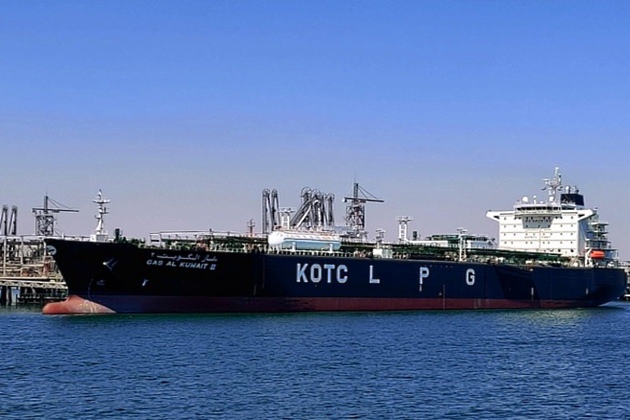
- LPG/LNG Tankers: Compensation ranges from $12,000 to $17,000 per month.
- Chemical and Cement Carriers: Salaries typically reach between $6,500 and $10,500 per month.
Factors influencing income levels include experience, qualifications, additional certifications, and geographical location. For the Second Engineer position, contract durations are often shorter, typically lasting 2-3 months.
Note: Salaries are subject to change based on the trading region and company-specific benefits. For a deeper dive, visit our full Maritime Salary Guide.
FAQ
What does a 2nd engineer do?
The Second Engineer manages daily engine room operations and technical personnel, overseeing the vessel’s Planned Maintenance System (PMS) as the Chief Engineer’s primary deputy. They ensure the operational readiness of all machinery while maintaining strict compliance with international SOLAS and MARPOL safety and environmental standards.
Is a 2nd engineer an officer?
Yes, a Second Engineer is a licensed management-level officer and serves as the primary deputy to the Chief Engineer.
Does a Second Engineer stand a watch?
On UMS (Unmanned Machinery Space) vessels, the Second Engineer typically works day work and remains on a 24/7 call rotation for engine room alarms. On ships without automation, they traditionally stand the 4-8 watch, overseeing engine room operations during those hours alongside their daily maintenance duties.