Boatswain Duties and Responsibilities on a Seagoing Vessel
The Boatswain (Bosun) is one of the most fundamental and multifaceted roles on a seagoing vessel, occupying a unique position within the maritime hierarchy. This specialist serves as the vital link between the command staff – represented by the Captain and deck officers – and the ratings of the deck department. The scope of a bosun’s duties encompasses a range of critical areas, which will be detailed below.
In essence, the Boatswain is the immediate supervisor of the deckhands and ordinary seamen, reporting directly to the Chief Officer (First Mate), who delegates responsibility for a wide array of deck operations. Depending on the vessel’s size and type – particularly on superyachts – leadership may be channeled through the first, second, or third officers. Historically, the role has evolved from a master of sails and rigging to a modern-day versatile manager of the deck department.
The modern Bosun is a highly versatile role possessing a broad spectrum of skills and technical knowledge. Their job description extends far beyond manual labor, covering planning, organization, and rigorous quality control. This evolution reflects the increasing complexity of maritime operations and vessel scale, where effective team management is just as crucial as personal craftsmanship.
The Boatswain is the pivot point that transforms strategic directives from the officers – such as preparing the vessel for a voyage or maintaining seaworthiness – into specific tactical actions executed by the deck crew. The Bosun acts as a middle manager who combines deep technical expertise with strong leadership and communication skills. This enables them to lead the team efficiently and ensure the seamless operation of the deck department.
This role is not a collection of fragmented tasks but a cohesive system where every function is interconnected. For instance, to carry out painting maintenance, the Bosun’s responsibilities include initial planning, inventory checks for materials and tools, ensuring safety protocols, and post-work quality inspection. This complexity transforms the position from a simple tradesman into a key organizer and administrator capable of maintaining both technical readiness and crew discipline.
Deck Crew Leadership and Administrative Functions
The pivotal role of a Boatswain on a vessel lies in managing the deck crew and ensuring its operational efficiency. He is responsible for coordinating the activities of deck ratings and distributing work assignments to achieve maximum productivity and safety. This function involves drafting daily work plans, as well as watchkeeping schedules and lookout rotations, which are subject to approval by the Chief Officer. A significant part of his administrative duties involves oversight of logistics and material management.
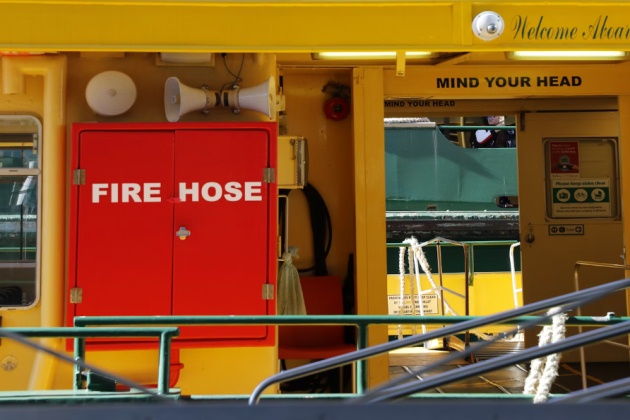
The Bosun is often regarded as the “storekeeper” of the ship’s deck department, as he is responsible for the proper allocation, storage, and maintenance of all ship inventory, tools, and consumables. He is tasked with identifying defects and timely preparing requisitions for deck stores to ensure that all necessary supplies are available for both scheduled and unscheduled maintenance. This process guarantees that the deck crew is always fully equipped to perform their duties.
Source: Unsplash.com
Beyond leadership and supply management, the Boatswain is responsible for record-keeping, which is critical for compliance with international regulations. He must compile and record monthly hours of work and rest for the deck ratings. This duty is directly linked to the requirements of the Maritime Labour Convention (MLC), which sets strict standards for seafarers’ work and rest hours to prevent fatigue and ensure maritime safety.
The Boatswain’s leadership role extends beyond purely technical tasks; he is a key element in human resource management at the deck level. His responsibilities include not only issuing orders but also fostering discipline and crew well-being. He must be able to motivate deckhands, mentor them to improve their skills, and act as a liaison, relaying information regarding the crew’s morale and needs to the Chief Officer. This implicit yet vital function emphasizes that the position is not just about handling equipment, but primarily about people management, making the Bosun an indispensable leader on board.
Practical Duties of a Boatswain on Board
The Boatswain bears direct responsibility for ensuring the vessel’s seaworthiness, which stands as his primary mandate. His area of accountability covers all deck systems and structures, including the hull, superstructure, decks, freshwater tanks, rigging, and spars.
As part of this responsibility, he plans and executes painting, carpentry, and rigging work aimed at the timely detection and remediation of corrosion, as well as maintaining cleanliness and order. A key aspect of his role is monitoring the condition and serviceability of shipboard equipment. The Bosun is responsible for anchoring, mooring, cargo-handling, and life-saving appliances, as well as cranes, winches, and other machinery, ensuring their operational readiness and proper technical status. His profound knowledge of these systems – including the maintenance of steel wire ropes, fiber lines, and specialized rigging – makes him the leading technical specialist for the deck department. He is accountable for all equipment except for its mechanical, hydraulic, and electrical components, effectively making him the “Chief Engineer of the Deck”.
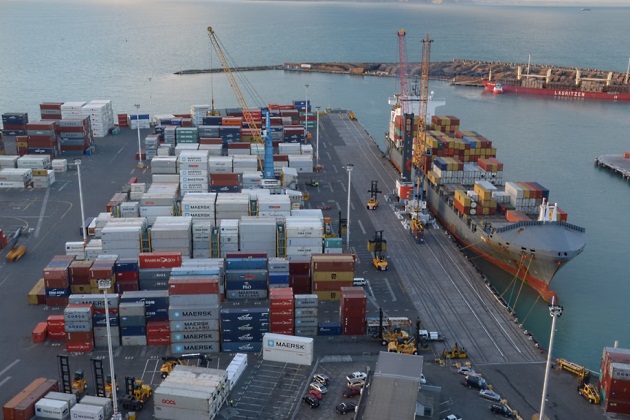
The Boatswain takes an active part in the most critical vessel operations. During mooring and unmooring, he operates the forward mooring machinery and leads the forward mooring party, ensuring the team’s cohesion and precision. He is also responsible for preparing and securing lines and fenders. During cargo operations, his role is equally vital: he supervises the loading and discharging of heavy-lift cargo and monitors its secure sea-fastening on deck. Additionally, he participates in ballast operations and oversees the proper stowage of dangerous goods.
Source: Unsplash.com
The Boatswain’s duties include watchkeeping. He may stand a navigational watch on the bridge at sea or a gangway watch in port, confirming his status as a qualified crew member capable of performing fundamental navigational and security functions. This entire scope of work demonstrates that his managerial functions are inextricably linked to his own vast practical experience. A Bosun does not merely issue orders; he must understand every facet of the job and be able to perform it himself. More than just an officer, his blend of technical grit and leadership makes him the vessel’s ultimate asset.
Ready to take the first step toward a successful career of Bosun (Boatswain) at sea?
- Post your seafarer resume to become visible to leading shipowners and recruitment agencies worldwide.
- Explore the latest maritime vacancies from top-tier shipping companies and find the contract that matches your skills and expectations.
Safety Assurance and Emergency Preparedness
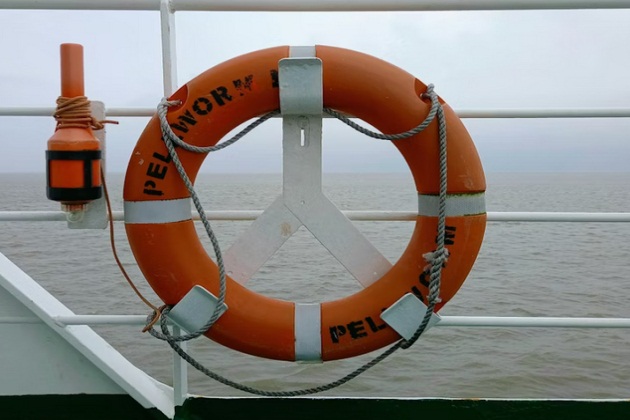
Safety on board is a top priority, and the Boatswain plays a pivotal role in this process. He acts as the direct enforcer of safety rules and protocols at the rating level, making him a sort of “safety officer” for the deck crew. The primary duties of a Boatswain in this regard include monitoring the condition and constant readiness of all life-saving appliances (LSA) and fire-fighting equipment (FFE). This involves regular inspections of lifeboats, rafts, fire extinguishers, and other gear. Such work is directly linked to accident prevention and emergency preparedness.
The Boatswain is also responsible for organizing and conducting regular shipboard drills and training sessions. He instructs the crew on the proper use of individual and collective life-saving equipment and familiarizes them with the muster list. These fire-fighting and abandon-ship drills are not mere formalities but vital exercises aimed at practicing theoretical knowledge in conditions as close to reality as possible.
Beyond emergency readiness, the Boatswain is responsible for ensuring compliance with occupational health and safety (OHS) regulations during all deck operations. He oversees safety protocols for working at heights, over the side, and in confined spaces, as well as the safe handling of manual and power tools. A significant portion of his maintenance duties is directly tied to safety assurance. For instance, inspecting rigging, cargo gear, and mooring machinery is not only about maintaining operational status but also about preventing potential catastrophes.
Source: Unsplash.com
The Boatswain takes measures to prevent marine pollution. He must be knowledgeable in and apply approved shipboard waste disposal methods and monitor the use of relevant equipment. His daily work – ranging from hull painting to conducting drills – is an integral part of a broader safety management system, making his role indispensable for ensuring both crew well-being and environmental protection.
Variations in Roles Across Different Vessel Types
Although the core duties of a Boatswain remain universal throughout the maritime fleet, their practical application varies significantly depending on the vessel type and its purpose. This adaptability makes the Bosun a truly versatile specialist.
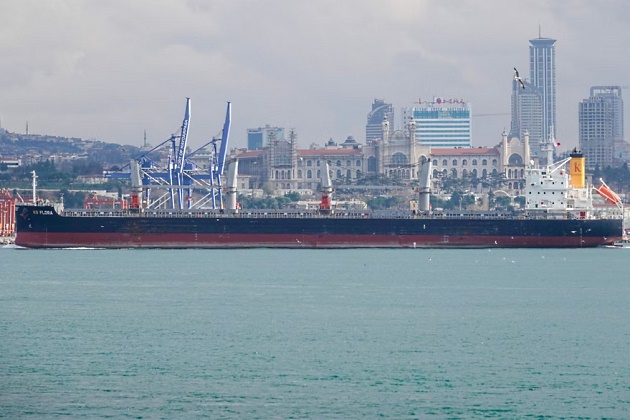
On container ships and bulk carriers, the primary focus is on cargo operations and lashing. The Boatswain must be an expert in operating deck machinery used for loading and discharging, as well as supervising the securing of heavy-lift cargo to ensure its stability before heading to sea. Working on such vessels often involves frequent port calls, requiring constant readiness for mooring operations.
On tankers and other vessels carrying hazardous cargo, the Bosun’s duties involve heightened requirements for safety and pollution prevention. His role becomes even more critical, as any error could lead to a severe environmental disaster. The Boatswain must possess specialized knowledge of handling explosive and harmful substances and strictly adhere to safety protocols.
On cruise ships and superyachts, the Boatswain’s responsibilities take on a different tone. Beyond traditional deck maintenance, significant emphasis is placed on the vessel’s cleanliness and aesthetic perfection, as well as ensuring the comfort of passengers or VIP guests. A yacht Bosun may serve as the primary tender driver and be responsible for the storage and operation of “water toys“. Work of mercantile marine bosun encompasses not only technical maintenance but also hospitality skills and client interaction.
While the fundamental functions – team leadership, maintenance, and safety – remain constant, their practical execution is fully adapted to the specific requirements of the vessel. On a yacht, this includes “VIP guest service”, whereas on a dry cargo ship, it involves “heavy-lift cargo lashing”. This flexibility and the ability to adapt skills to various conditions and tasks are key characteristics of the Boatswain profession.
Qualifications, Career Path, and Salary Expectations
The qualifications for a Boatswain are strictly governed by international regulations, primarily the International Convention on Standards of Training, Certification and Watchkeeping for Seafarers (STCW). A Bosun must hold a suite of certificates verifying their competence in maritime safety, fire-fighting, and first aid.
According to the STCW Code, to become an Able Seafarer Deck (AS-D), an individual must have a specific sea service period – typically 12 to 18 months, depending on the completion of an approved training program – and be at least 18 years old. While a university degree is not mandatory for Bosun duties (vocational or college training is sufficient), the career growth opportunities within this profession are substantial.
Source: Unsplash.com
A Boatswain can advance to the position of Chief Boatswain or, with further education and sea time, transition into an Officer of the Watch (OOW) role. The position serves as an “excellent launchpad”, providing a deep understanding of all deck operations and developing essential management skills. Regarding income levels, the average salary for a Boatswain varies significantly based on several factors:
- vessel type;
- trading area (region of operation);
- contract duration;
- the individual’s experience and specific qualifications.
Analysis indicates that the highest salaries are typically offered on tankers, while income on bulk carriers and container ships may be lower, though often offset by longer contract durations. In the international market, the salary gap between domestic and global fleets is a direct result of the maritime industry’s global nature. This underscores the importance of holding an STCW-compliant document package and possessing English language proficiency to access high-paying vacancies. See the full salary breakdown by job role and vessel type here.
| Bosun Qualification Requirements in Accordance with the STCW Convention | |||
|---|---|---|---|
| Requirement/Certificate | Short description | Required experience | Minimum age |
| STCW II/5 Able Seafarer Deck | Confirms competence for service on ships of 500 GT or more, including watchkeeping and cargo operations. | 12-18 months | 18 age |
| Basic Safety Training | Basic safety training in maritime security, fire fighting, first aid, and personal survival techniques. | no | no |
| Proficiency in Designated Security Duties | Certifies the knowledge and skills required to perform security-related duties in accordance with the Ship Security Plan. | no | no |
| Proficiency in Survival Craft and Rescue Boats | Proficiency in Survival Craft and Rescue Boats (other than Fast Rescue Boats). | no | no |
| Medical First Aid | First Aid on Board Certificate. | no | no |
This table is based on data provided by the International Maritime Organization (IMO) and Coast Guard-approved maritime training centers.
Conclusion
The position of a Boatswain is not merely a rung on the hierarchy; it is the essential leadership position of the deck department. Not only the cleanliness and order of the deck depend on him, but also the technical integrity of the vessel and the safety of the entire crew. The Bosun is simultaneously a leader, an administrator, a technical specialist, and a mentor. He translates officer directives into practical actions, ensures the vessel’s readiness for any maneuvers or emergencies, and looks after the well-being of his team.
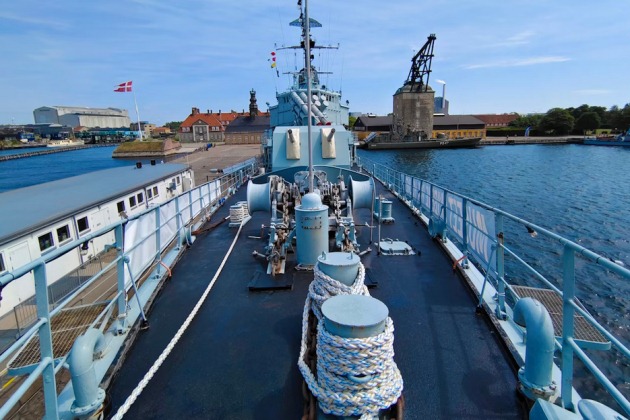
Source: Unsplash.com
Being a Boatswain is a calling that requires a blend of profound practical knowledge, exceptional organizational skills, and high personal accountability. In today’s environment, as vessels become increasingly complex and international safety and labor standards grow more stringent, the Bosun’s role as a versatile manager and “guardian of the deck” becomes absolutely indispensable. His work, often unseen by the casual observer, serves as the fundamental basis for the seamless and safe operation of the vessel.