Who Is a Third Officer? Key Responsibilities and How to Start Your Career
The maritime industry offers stable, high-paying jobs, the opportunity to travel the globe, and continuous professional growth. Working as a Third Officer (or 3rd Mate) involves a wide range of responsibilities and demands a high degree of accountability for the safety of both the vessel and its crew.
- Defining the Role of a Third Officer
- Key Responsibilities of a Third Officer
- Skills and Requirements for the Position
- STCW Documentation: Certificates, Endorsements, and Licenses
- Third Officer Salary: 2026 Market Overview
- The Influence of Flag State, Company Policy, and Trading Areas
- The Role of the Flag State
- Company Standards and Corporate Culture
- Trading Regions and Voyage Types
- How Experience and Advanced Certifications Impact Salary
- The Career Path of a Third Officer
- Frequently Asked Questions (FAQ) about the Third Officer Role
- Conclusion
Are you looking to learn more about the Third Officer job description, the essential requirements for candidates, and the career prospects available to seafarers? In this article, we will take an in-depth look at every aspect of this exciting yet demanding profession.
Defining the Role of a Third Officer
A Third Officer (often abbreviated as 3/O or 3rd Mate) is far more than just a rank in the ship’s hierarchy; they are an integral part of the bridge team ensuring safe navigation. Beyond routine watchkeeping, this specialist manages a wide array of critical functions. They are responsible for the maintenance of bridge equipment, signaling apparatus, and life-saving appliances. Furthermore, the 3/O stands watches, participates in mooring operations, and executes the Master’s orders.
Essentially, a Third Officer is a versatile maritime professional – a blend of a navigator, a technician, and an administrator. The role demands high accountability, keen attention to detail, and profound nautical knowledge.
Source: Pixabay.com
In the international maritime industry, English proficiency is mandatory. Whether communicating with a multinational crew or port authorities, “Maritime English” is the universal tool for the job. It is also important to note that specific duties may vary depending on the vessel type (e. g., tanker, bulk carrier, or container ship), company policy, and the size of the crew.
Key Responsibilities of a Third Officer
The primary duties of a 3/O include:
- Watchkeeping: Ensuring safe navigation during designated bridge watches.
- Navigational Tasks: Route planning and chart corrections.
- Ship Maintenance: Assisting in the upkeep of the vessel’s operational readiness.
- Administrative Tasks: Preparing and managing vessel documentation, arrival/departure paperwork, and other clerical duties.
Navigation
The Third Officer acts as the vessel’s “maritime guide.” This involves:
- Passage Planning: Creating a safe route by considering wind force, sea currents, underwater hazards, and international regulations (COLREGs). Like a chess player, the 3rd Mate calculates every move to optimize the voyage.
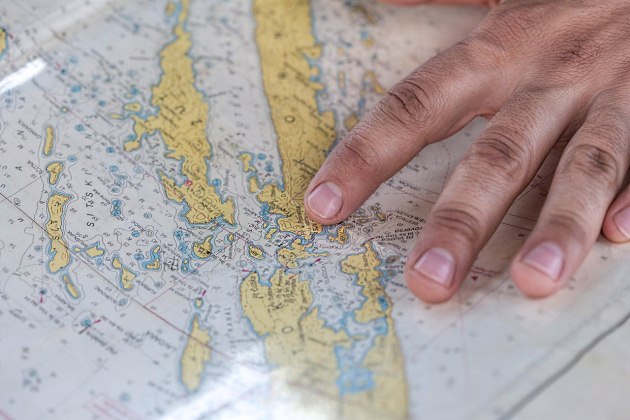
- Chart Work: Proficiency in reading nautical charts – complex documents detailing depths, sea bottom topography, and navigational aids like lighthouses.
- Bridge Equipment: Utilizing Radar, GPS, and Echo Sounders. A 3rd Officer must interpret data accurately to make informed decisions in a dynamic environment where weather and traffic can change instantly.
Safety (LSA & FFA)
The Third Officer is typically the designated Safety Officer on many ships.
- Life-Saving Appliances (LSA): Regular inspection of lifeboats, life jackets, and rafts. This isn’t just a formality – it’s a life-critical responsibility.
- Fire-Fighting Appliances (FFA): Conducting fire drills and maintaining extinguishers.
- Compliance: Ensuring the vessel meets IMO (International Maritime Organization) and SOLAS standards. Effective drills led by the 3/O can save lives and cargo during an emergency.
Navigational Works
This involves constant cross-referencing of instrument data with nautical charts. Using the Echo Sounder, the 3/O monitors the depth under keel (UKC) in real-time to prevent grounding. Additionally, weather monitoring (observing cloud cover, barometric pressure, and wind) allows the 3/O to provide the Master with necessary data for route adjustments.
Ship Maintenance and Cargo Operations
While the 3/O is often seen on the bridge, they play a vital role in deck operations.
- Cargo Operations: Assisting in the supervision of loading and discharging, ensuring proper cargo stowage, and securing.
- Technical Upkeep: Maintaining the bridge, chartroom, and communication equipment. As typically the most junior officer, the 3/O is assigned diverse tasks to build a comprehensive professional foundation and gain maximum experience in a lean-crewing environment.
Skills and Requirements for the Position
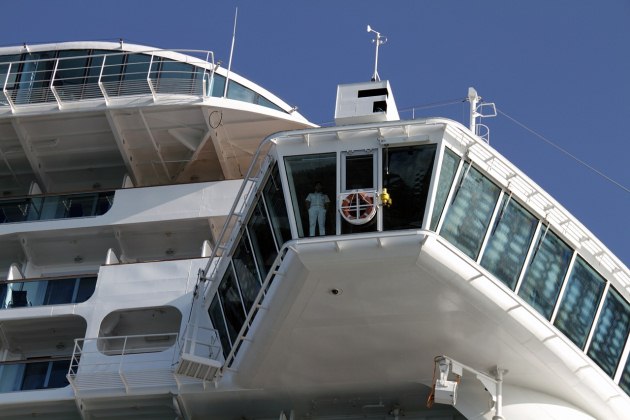
To succeed as a Third Officer, a candidate must possess a blend of profound theoretical maritime knowledge and well-honed practical skills.
Source: Pixabay.com
Navigational work demands high concentration and a sense of duty. A 3/O must be proficient in operating modern bridge electronics, including Radar/ARPA, Echo Sounders, GPS, and ECDIS. The ability to accurately determine the vessel’s position, collect meteorological data, and analyze environmental factors is vital. Interpreting data on depths, currents, and weather allows the officer to make informed decisions that prevent accidents.
Example: When entering a port under restricted visibility, the 3rd Mate must pinpoint the vessel’s position relative to navigational aids, calculate safe speed, and adjust the course in real-time. In the event of equipment failure or sudden weather shifts, the officer must act decisively to ensure the safety of the vessel and its crew.
Beyond the bridge, the 3/O participates in mooring operations, manages vessel paperwork, ensures the readiness of life-saving appliances, and monitors safety compliance. Physical endurance and Bridge Team Management (BTM) skills are also essential. When updating your Seafarer CV, highlighting these specific competencies is key to securing a position.
STCW Documentation: Certificates, Endorsements, and Licenses
The STCW Convention (Standards of Training, Certification, and Watchkeeping) sets the global benchmarks for maritime training. The most critical document for this role is the Certificate of Competency (CoC) for a Third Officer.
The CoC is an official license issued by a national maritime authority (Flag State). It proves the holder has completed accredited training and passed the necessary examinations.
In addition to the primary CoC, a Third Officer requires several STCW Basic and Advanced Safety Training certificates:
- Medical First Aid at sea;
- Advanced Firefighting (AFF);
- Proficiency in Survival Craft and Rescue Boats (PSCRB);
- Bridge Team Management (BTM).
Note: Requirements vary by vessel type. For instance, Tanker Endorsements (Oil, Gas, or Chemical) are mandatory for those working on tankers, alongside specialized training in oil spill response (SOPEP) and hazardous cargo handling.
Source: Pixabay.com
Remember, STCW certificates have an expiration date. To maintain a “valid license”, seafarers must undergo revalidation and attend refresher courses periodically. Having a complete and up-to-date folder of documents is the ultimate guarantee of maritime safety and employability.
Third Officer Salary: 2026 Market Overview
When choosing a maritime career, three factors are key: demand, profitability, and personal interest. While “top-tier” salaries are often associated with senior ranks, the Third Officer (3/O) pay scale in 2026 remains highly competitive for entry-level officers, depending heavily on vessel type and specialization.
- Container Ships
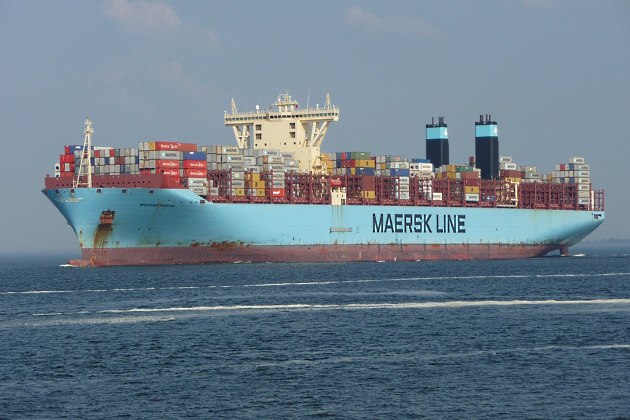
On container vessels, a Third Officer can expect to earn between $3,100 and $4,200 per month. Major players like V.Ships, Zodiac Maritime, and Maersk offer packages that vary based on contract duration and the officer’s previous experience.
- General Cargo and Bulk Carriers
Dry cargo vessels offer a more dynamic range. Average monthly wages currently sit around $2,600 – $3,500. While slightly lower than tanker rates, these roles provide excellent foundational experience for junior officers.
- LNG/LPG Tankers
The gas fleet continues to lead the market in compensation. Due to the high technical requirements, a 3/O on LNG/LPG carriers earns between $4,500 and $6,600 per month. Specialized companies (e. g., Flex LNG) may offer even higher premiums for those with specific technical certifications.
- Oil and Chemical Tankers
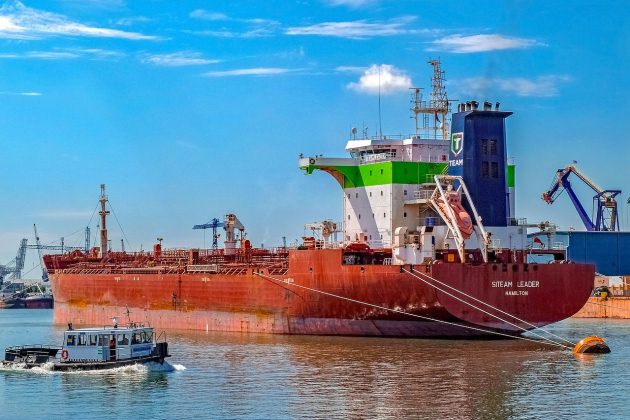
Working on Chemical Tankers typically commands a higher salary than Crude Oil Tankers due to cargo complexity. Current rates range from $3,500 to $4,800.
Note: Salaries are subject to change based on the trading region and company-specific benefits. For a deeper dive, visit our full Maritime Salary Guide.
The Influence of Flag State, Company Policy, and Trading Areas
A Third Officer’s experience is heavily shaped by three factors: the vessel’s Flag State, the shipowning company, and the trading region. Each of these elements impacts legal status, safety standards, and daily working conditions.
The Role of the Flag State
The Flag State determines the jurisdiction under which the vessel operates. This influences taxation, crew requirements, and safety protocols. Many owners choose Flags of Convenience (FOC) – such as Panama, Liberia, or the Marshall Islands – due to liberal maritime laws and lower operational costs.
Source: Pixabay.com
While economically beneficial, FOC vessels may sometimes face closer inspection by Port State Control (PSC) regarding safety and environmental compliance.
Company Standards and Corporate Culture
The shipowning company establishes internal rules and a Safety Management System (SMS) that may exceed the Flag State’s baseline requirements. A company’s financial stability and corporate culture directly affect the crew’s quality of life, maintenance standards, and career progression.
Trading Regions and Voyage Types
The operational area is equally vital. Seafarers on Deep-sea (Long-haul) voyages face longer periods away from home compared to those on Coastal (Cabotage) routes. Furthermore, the trading region influences the crew’s cultural and linguistic diversity, which is a critical factor in effective Bridge Resource Management (BRM) and overall team synergy.
Example: A vessel flying the Panama flag, owned by a major Greek shipping firm, and manned by a multinational crew of Filipinos and Indians operates under a complex intersection of international conventions, Panama’s maritime laws, and the owner’s internal policies.
How Experience and Advanced Certifications Impact Salary
Work experience and specialized certifications are the primary drivers of a Third Officer’s earning potential. In the maritime industry, practical “sea time” is a currency of its own; the more experience an officer accumulates, the higher their market value. Shipowners prioritize candidates who have operated across diverse vessel types and varied geographical regions, as this demonstrates adaptability and the ability to handle non-routine maritime challenges.
Holding advanced STCW certifications – such as those for specialized safety management, medical care, or advanced ship systems – significantly increases a seafarer’s marketability. While the cost of these training courses can be substantial, they are a high-yield investment. A multiskilled maritime professional who can step into various roles on board is always in higher demand and can negotiate better contract terms.
Practical Example: A Third Officer with five years of experience on oil tankers, carrying Advanced Tanker Cargo Operations and MARPOL compliance certificates, will command a significantly higher salary than a junior peer with general cargo experience only. When all else is equal, a recruiter will always choose the candidate with a broader competency profile, as they offer more operational flexibility to the company.
Continuous professional development is not just about compliance; it is a strategic move to ensure a stable, high-paying career and long-term maritime career progression.
The Career Path of a Third Officer
A career as a Third Officer is an exciting journey across the world’s oceans, characterized by constant professional growth and a high level of responsibility.
Life on a sea-going vessel is more than just a job – it is a lifestyle chosen by those who seek adventure and new experiences. Every voyage is unique, filled with discoveries. As a key figure on the bridge, the Third Officer ensures safe navigation, compliance with international maritime regulations, and effective team coordination.
Source: Pixabay.com
Why choose this profession? First and foremost, it offers the opportunity for continuous learning. The maritime industry is evolving rapidly, and a Third Officer must stay ahead of new technologies and methodologies. Career progression in this field is virtually limitless: one can rise from a Third Officer to a Master Mariner or transition into specialized shore-based maritime roles.
Competitive compensation is another major draw. Seafarers on international routes traditionally earn high wages, allowing them to achieve financial goals, fund further education, or travel.
However, the role of a 3/O also presents challenges. Long-haul contracts, separation from family, and crossing multiple time zones require significant adaptability and mental resilience. For those who embrace these challenges, a maritime career provides not only financial stability but also immense professional satisfaction.
To start this journey, you must obtain a degree from a maritime academy or training center. Beyond formal education, a future officer needs maritime English proficiency, strong teamwork skills, and a high degree of accountability.
Ready to launch your maritime career? Submit your CV to our database today and let top shipowners find you. If you’re looking for your next contract, browse our current Third Officer vacancies to find a role that matches your experience and salary expectations.
Frequently Asked Questions (FAQ) about the Third Officer Role
The profession of a Third Officer attracts many who dream of sea voyages and a stable career. Below are comprehensive answers to the most common questions from our FAQ section, designed to help both aspiring and active seafarers understand the specifics of this role.
What are the primary duties of a Third Officer on a ship?
The Third Officer is responsible for safe navigation, bridge equipment maintenance, the safety of the vessel and crew, and executing the Master’s orders. Key tasks include route monitoring, weather observation, mooring operations, and conducting safety briefings. In some scenarios, the 3/O may also assist or temporarily cover the duties of the Second Officer.
What are the requirements for Third Officer candidates?
A maritime degree, sea-going experience (cadetship), knowledge of international regulations, and English proficiency are mandatory. Candidates must hold a valid Certificate of Competency (CoC) and be well-versed in COLREGs (International Regulations for Preventing Collisions at Sea). Since English is the universal language of the sea, it is essential for communication with other vessels and port services.
Where can I find Third Officer vacancies?
You can find openings on specialized maritime job boards, through crewing agencies, and directly on the career pages of major shipping companies. High-intent search terms include: Third Officer vacancies, 3rd Mate jobs, and maritime recruitment portals.
What is a Third Officer’s salary?
The salary depends on experience, vessel type (e. g., tanker vs. container), and company policy. Average wages range from $2,500 to over $6,000 for specialized sectors like LNG.
What epaulettes (rank insignia) does a Third Officer wear?
While designs vary by country or company, a Third Officer typically wears rank insignia with stripes (often one or more, depending on the specific merchant navy tradition) to identify their status as a junior officer.
What is the English title for a Third Officer?
In international shipping, the position is called “Third Officer” or abbreviated as “3/O”. You may also see it listed as “Third Mate” on vacancy sites.
Conclusion
The profession of a Third Officer is a fascinating blend of maritime romance and serious responsibility, offering vast prospects for professional growth. With the industry’s constant evolution and growing global trade, there is a steady demand for qualified officers.
Source: Pixabay.com
While it is a demanding role that requires deep knowledge and mental resilience, it rewards seafarers with competitive salaries and the chance to see the world. For those ready for the challenge, the path of a Third Officer is an excellent gateway to a lifelong maritime career.