Marine Electro-Technical Officer (ETO): Job Duties and Scope of Responsibility
The profession of an electrical engineer in the merchant navy, internationally recognized as an Electro-Technical Officer (ETO), has become synonymous with top-tier engineering expertise. A ship’s ETO does more than just maintain electronics; they are the key specialist managing the power systems and automation complex of a modern vessel. Unlike shore-based engineers, a marine ETO operates in conditions of total autonomy, where decisions must be instantaneous and flawless.
- Electro-Technical Officer (ETO): Core Role and Scope of Responsibility
- Oversight of Power Infrastructure
- Automation and Electronics Management
- Safety, Compliance, and Accountability
- Career Ladder: Requirements and Transition to SETO
- The Path to ETO Certification
- Senior Electro-Technical Officer (SETO)
- Salary, Risks, and Professional Challenges of Marine Electrical Engineer
- Work Schedule and Psychological Pressure
- The ETO’s Role in Maritime Cybersecurity
- Hazards and LNG Specialization
Below is an overview of the actual requirements for a Marine Electrical Engineer, as well as the career path to the rank of Senior Electro-Technical Officer (SETO) – a position highly prevalent in high-tech fleets, such as LNG carriers.
Electro-Technical Officer (ETO): Core Role and Scope of Responsibility
The position of an Electro-Technical Officer is the cornerstone of a vessel’s electrical department. In international shipping, this role is also frequently referred to as a Marine Electrician or Chief Electrician, particularly within the US-based maritime sector and specific offshore industries. Their primary objective is to ensure an uninterrupted power supply and maintain all systems critical to the ship’s safety and operational efficiency. In practice, an ETO acts as both a manager and a hands-on engineer, bearing responsibility for all electrical networks and installations – from the primary generators to the end-users.
What is the difference between ETO and SETO?
The primary difference between an ETO (Electro-Technical Officer) and a SETO (Senior Electro-Technical Officer) lies in the level of responsibility, administrative duties, and international recognition of their qualifications. Below, we will explore these aspects in greater detail.
Oversight of Power Infrastructure
The fundamental duty of an ETO is focused on the vessel’s “power core”. This involves not only repairs but comprehensive load planning aimed at maximum reliability and fuel economy. An Electro-Technical Officer’s responsibilities extend to:
- Marine Power Plant: The ETO oversees the main, auxiliary, and – critically – emergency generators. They monitor performance, conduct regular testing, and perform scheduled maintenance.
- Distribution Systems: Full control over the Main Switchboard (MSB) and all sub-distribution boards. Modern vessels often feature High Voltage (HV) equipment (exceeding 1 000 V), requiring specialized ETO expertise and the strictest safety protocols.
- Circuit Protection: The ETO is responsible for the integrity of all motor starters, controllers, and protection devices. Their work in preventing overloads and short circuits directly mitigates the risk of fire and catastrophic blackout events.
Automation and Electronics Management
Modern shipping is impossible without sophisticated automation. A ship’s ETO is directly responsible for the electrical and electronic components of control systems, including:
- Remote Control Systems (RCS): Maintaining the electrical components of remote automatic control systems for main and auxiliary machinery, enabling propulsion and steering control from the bridge. A failure during maneuvering can lead to a total loss of vessel control.
- Navigation and Communication: The ETO ensures reliable power supply and functional integrity for the electrical units of radio-navigation equipment and communication suites.
- Diagnostics: An ETO must be skilled in diagnostics and, when necessary, troubleshooting Programmable Logic Controllers (PLCs). Modern ETOs frequently work with industry-standard systems such as Siemens S7, ABB 800xA, or Kongsberg K-Chief, which are the backbone of a vessel’s Integrated Automation System (IAS).
Safety, Compliance, and Accountability
The ETO’s work is strictly regulated, carrying significant legal accountability. They are required to maintain all technical and reporting documentation, including the electrical logbook, and conduct technical training for subordinate personnel.

Source: AI generated image
A key aspect is ensuring electrical safety. When working with electricity – especially High Voltage – the ETO must personally supervise adherence to all safety protocols, as electrical incidents at sea carry a high probability of tragic consequences. In the event of an immediate threat, the ETO has the authority to halt any work within their department.
Career Ladder: Requirements and Transition to SETO
The career path in marine electrical engineering is strictly hierarchical and governed by the international STCW standard (Standards of Training, Certification, and Watchkeeping for Seafarers).
The Path to ETO Certification
Becoming a fully qualified Electro-Technical Officer (ETO) is a multi-stage process requiring the sequential completion of several mandatory phases. First and foremost, a specialist must obtain a specialized vocational degree, earning a technical diploma directly related to the operation of marine electrical equipment.
Read also: Cargo Engineer (Gas Engineer): Career Insights and Technological Aspects
This is followed by the critically important sea-time phase: accumulating mandatory sea service as part of the engine room team. Typically, this journey begins in entry-level positions, such as an Electrical Cadet or Electrician Trainee. Only after successfully completing an internship and accumulating the required sea-time is a seafarer eligible for certification, which involves passing rigorous examinations conducted by the maritime administration.
Success in these trials confirms competence in accordance with the STCW international convention and culminates in the issuance of a professional ETO Certificate of Competency (CoC).
Senior Electro-Technical Officer (SETO)
The highest tier in the electrical department is the SETO. This is not merely a promotion, but a transition to the senior management level, requiring peak technical and managerial mastery.
The rank of Senior Electro-Technical Officer is characteristic of vessels where the electrical system is of critical importance:
- LNG Carriers: The SETO is responsible for complex control systems for cryogenic pumps, gas analyzers, and propulsion units.
- Electric Propulsion Vessels (Azipod, Podded Propulsion): The Senior ETO is the key engineer responsible for the operation of the entire propulsion system.
Requirements for a Senior Electro-Technical Officer (SETO):
- Significant documented sea service in the rank of Electro-Technical Officer (ETO) is required, often ranging from 24 to 36 months on vessels with high-power electrical installations.
- A High Voltage Certificate (HVC), certifying competence in maintaining high-voltage equipment, is mandatory for work on most modern vessels.
- The Senior ETO leads the entire electrical department, which demands skills in maintenance planning, resource management, and budget oversight.
Advancing from ETO to Senior ETO requires not only technical knowledge but also the ability to navigate the rigid STCW bureaucratic system, as well as the financial readiness for continuous, costly training courses and re-certifications.
Salary, Risks, and Professional Challenges of Marine Electrical Engineer
The high salary of an Electro-Technical Officer (ETO) and a Senior Electro-Technical Officer (SETO) is direct compensation for immense responsibility, inherent risks, and demanding working conditions that have nothing in common with tourism.
As of 2026, the global shortage of qualified high-voltage engineers has pushed the average ETO salary into the $6,500 – $7,300 range. While inflation impacts the maritime sector, premium rates remain stable for those with specialized experience in gas or offshore fleets. However, the primary factor influencing an ETO‘s salary is the vessel type:
- Gas Carrier Fleet – The Salary Leader: Traditionally, the highest rates are offered on LNG carriers, with salaries ranging from $9,000 to $16,000; while LPG carriers offer $4,500 – $8,000 per month.
- Tanker Sector: Chemical and oil tankers, including VLCC (Very Large Crude Carriers) and Crude Oil Tankers, remain competitive, offering up to $6,500 – $6,900.
- Offshore – Maximum Day Rates: ETO positions on FSIV (Fast Support Intervention Vessels) or other Offshore Support Vessels (OSV) often translate to high monthly earnings – approximately $7,500 (based on a $250/day rate).
- Container Ships and Bulkers – The “Golden Mean”: ETO salaries here vary from $6,000 to $7,000, making these sectors among the most popular for career stability.
- Ro-Pax and Multi-Purpose Vessels: These typically offer the lowest rates in this selection (around $4,500 – $6,000), though they often provide the benefit of shorter contract durations.
See the full salary breakdown by job role and vessel type here.
Career Opportunity: Are you ready to take the next step in your maritime career? Upload your CV to our database or Browse current ETO vacancies to find high-paying roles on LNG, Tanker, and Offshore fleets
Work Schedule and Psychological Pressure
The profession of a ship’s electrical engineer does not follow a standard “9-to-5” routine. While formal work-hour logging exists, in the event of an emergency – which can occur at any time – the Electro-Technical Officer must report immediately to rectify the issue.

Source: AI generated image
Any call from the bridge or engine room requires an instantaneous response. This creates constant psychological tension, as the safety of the crew and the vessel depends on the speed and accuracy of the ETO’s actions. Maintenance and repairs are frequently carried out in cramped, hot, and noisy environments subject to intense vibration, increasing both physical strain and risk.
The ETO’s Role in Maritime Cybersecurity
In 2026, the digital safety of a vessel is just as critical as its mechanical integrity. Following IMO requirements for maritime cyber risk management, the Electro-Technical Officer has become the primary guardian of a ship’s Operational Technology (OT) networks.
The scope of responsibility now extends to protecting integrated systems from external threats and internal failures. An ETO must ensure that the Integrated Bridge System (IBS), engine automation, and Power Management Systems (PMS) are isolated from unauthorized access. This includes managing secure software updates for PLCs, monitoring data traffic between satellite communication units and shipboard hardware, and implementing Cyber Security recovery protocols after a system breach.
For the modern Marine Electrical Engineer, mastering firewall configurations and network segmentation is no longer optional – it is a core component of maintaining vessel seaworthiness. Neglecting these duties can lead to severe Port State Control (PSC) deficiencies and, in extreme cases, the total loss of remote control over propulsion and navigation.
Hazards and LNG Specialization
The role of a Marine Electrical Engineer is categorized as a high-hazard occupation. The risk of electric shock is ever-present, demanding obsessive adherence to all isolation and earthing (grounding) procedures.
On LNG carriers, where the Senior Electro-Technical Officer operates, the complexity is doubled. The SETO is responsible for explosion-proof (Ex) electrical equipment and wiring in potentially hazardous zones, making this one of the most demanding and sophisticated roles in the maritime industry.
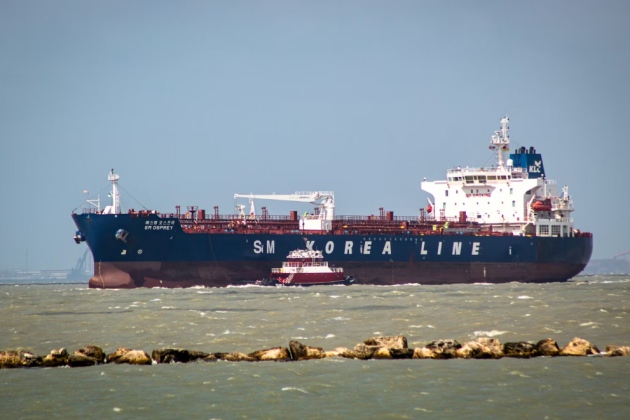
Source: Unsplash.com
The Ship’s ETO and Senior ETO are high-tech, high-demand, yet incredibly grueling professions. Success depends not on luck, but on profound technical knowledge, the capacity for autonomous decision-making, and an unwavering commitment to safety protocols. This is a career for those prepared to evolve constantly to remain at the forefront of marine electrical engineering.