Cargo Engineer (Gas Engineer): Career Insights and Technological Aspects
The marine engineering profession is traditionally associated with managing and maintaining the complex machinery and systems that ensure a vessel’s operation. These specialists are responsible for the performance of engines, power plants, and auxiliary systems critical to a ship’s propulsion and seaworthiness.
- The Role of a Marine Gas Engineer
- Job Responsibilities and Technical Specifics
- Core Engineering Functions
- Working with Gas Systems
- Maintenance and Repair of Cryogenic Equipment
- Legal and Regulatory Framework
- The IGC Code: Construction and Equipment Standards
- The ISM Code: Safety Management
- Qualification Requirements and Career Path
- STCW Education and Certification
- Mandatory Documentation and Certification
- Market Demand and Gas Engineer Salaries in 2026
- Conclusion
Within the maritime industry, there is a highly specialized and vital role requiring advanced technical knowledge: the Gas Engineer (also known as a Cargo Engineer or Cargo Gas Engineer). While “Cargo Gas Engineer” is often used formally, the industry-standard term remains “Gas Engineer”.
The Role of a Marine Gas Engineer
This position represents a unique blend of marine engineering and cryogenic cargo management.
Who is Gas Engineer? A Gas Engineer is a senior officer within the engine department, typically ranking between a Watchkeeping Engineer and the Second Engineer. Although part of the engine team, a significant portion of their duties is performed on deck, collaborating closely with the Chief Officer and other deck officers.
This cross-functional interaction is a hallmark of the profession. Acting as a “bridge” between departments requires not only deep technical expertise but also advanced communication and inter-departmental management skills. With the rising global demand for Liquefied Natural Gas (LNG) and the maritime industry’s shift toward eco-friendly fuels, the demand for Gas Engineers is surging. This article explores the profession through the lens of regulatory standards, technical requirements, and market data, covering duties, legal frameworks, and the current Gas Engineer salary landscape.
Job Responsibilities and Technical Specifics
Core Engineering Functions
The duties of a Gas Engineer extend beyond specialized equipment. The role demands the full skill set of a traditional marine engineer. A Gas Engineer is responsible for the operation, maintenance, and upgrading of all shipboard systems. This includes rigorous testing of onboard machinery, engines, power plants, and control systems before every voyage, as well as managing fuel and lubricant supplies. Furthermore, they oversee the integrity of safety railings, guards, and protective devices. Essentially, being a Gas Engineer is not a replacement for the traditional role of a marine engineer, but an advanced extension of it.
Working with Gas Systems
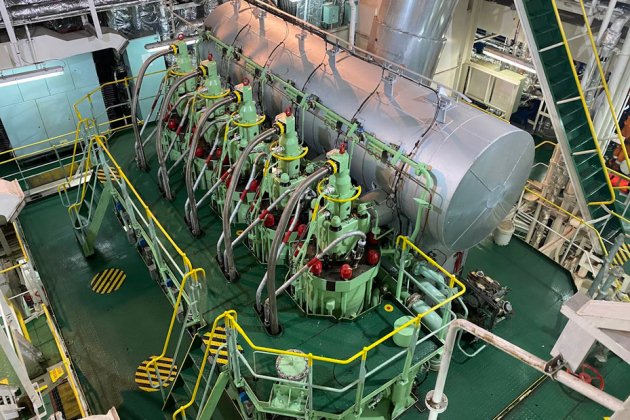
The primary objective of a Gas Engineer is ensuring the safe and efficient transport of liquefied gases. This requires a profound understanding of all cargo-related processes. The specialist must monitor parameters such as pressure and temperature in cargo tanks and predict cargo behavior under various conditions.
Source: Unsplash.com
During cargo operations, the Cargo Engineer provides operational support to the Officer of the Watch (OOW) and is responsible for the safety of the personnel under their supervision. The Gas Engineer’s scope of responsibility includes:
- Cargo Compressors: Both low-pressure and high-pressure units used for cargo transfer and maintaining required parameters.
- Reliquefaction Plants (PRS): Systems responsible for reliquefying boil-off gas (BOG) to maintain cargo integrity and utilize gas as fuel.
- Inert Gas and Nitrogen Generators: Used to maintain a safe atmosphere in tanks and piping, preventing combustion or explosions.
- Safety Systems: Maintenance of gas detection systems and Emergency Shutdown (ESD) systems. The engineer is also responsible for gas analyzers and smoke detectors in the compressor room.
- Ballast Water Treatment Plant (BWTP): While not directly cargo-related, this system often falls under the Gas Engineer’s technical jurisdiction to ensure environmental compliance.
This niche specialization makes the Gas Engineer an expert in maritime technology, working with cryogenic systems that demand knowledge of gas physics and thermodynamics. The technical complexity and the inherent risks of transporting hazardous substances (such as LNG at cryogenic temperatures or LPG) are why this profession requires specialized certification and remains highly valued in the industry.
Maintenance and Repair of Cryogenic Equipment
The role of a Gas Engineer encompasses more than just daily operations; it involves strictly regulated technical maintenance. A proactive approach to risk management is an inherent part of the profession. Regular diagnostics of cryogenic equipment are recommended at least once every six months, even in the absence of visible defects. Scheduled overhauls of tanks and associated systems are required at least biennially, with a comprehensive equipment survey mandatory after 10 years of service.
A major overhaul of cryogenic systems includes several high-precision procedures:
- Tank Stripping and Purging: Emptying the vessels, followed by sediment cleaning and the removal of hazardous or explosive gases (gas-freeing).
- Corrosion Management: Removing rust from both external and internal tank surfaces and conducting wall thickness gauging.
- Structural Repairs: Repairing cracks and other damages using electric arc welding, followed by non-destructive testing (NDT) of weld seams to detect micro-defects.
- Piping System Revision: Inspecting the piping manifold and replacing gaskets and seals.
- Valve and Instrumentation Refurbishment: Repairing, replacing, and lubricating all valves, pressure gauges, level indicators, and safety relief valves.
The Gas Engineer’s duties also include maintaining the daily Cargo Log Book and conducting mandatory testing of the Emergency Shutdown (ESD) system before entering or leaving a port. Additionally, they are responsible for inspecting the hull’s internal structures and documenting their condition.
These procedures emphasize that a Gas Engineer’s work is defined by strict adherence to protocols and accident prevention. This meticulous, maintenance-focused approach is designed to minimize risks, ensuring maximum safety for both the crew and the marine environment.
Legal and Regulatory Framework
The IGC Code: Construction and Equipment Standards
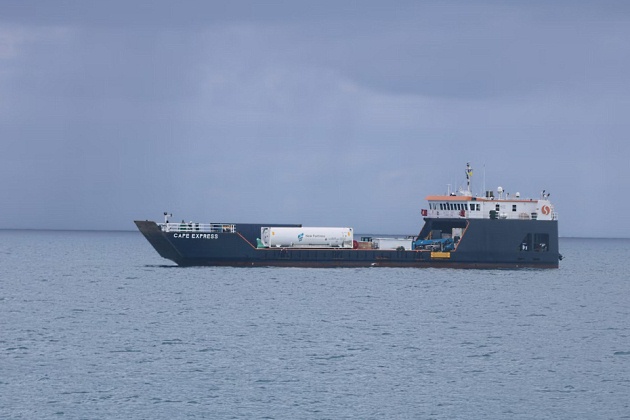
Operations on gas carriers are governed by stringent international standards, the most pivotal being the International Code for the Construction and Equipment of Ships Carrying Liquefied Gases in Bulk, commonly known as the IGC Code. This code became mandatory under Chapter VII of the SOLAS (International Convention for the Safety of Life at Sea) on July 1, 1986.
Source: Unsplash.com
The primary objective of the IGC Code is to minimize risks to the vessel, its crew, and the environment. It prescribes specific standards for ship design, construction, and the essential onboard equipment. This is particularly vital as transporting liquefied gases – especially under pressure or at cryogenic temperatures – presents unique hazards. For instance, an uncontrolled cargo release can lead to the “brittle fracture” of the ship’s hull. The Code provides detailed specifications for cargo tank types (e. g., Independent, Membrane) and mandates the installation of Emergency Shutdown (ESD) systems. Consequently, the professional duties of a Gas Engineer are directly shaped by these regulations. Their role is not merely technical maintenance but the rigorous enforcement of international technical standards, requiring a profound understanding of both engineering principles and regulatory compliance.
The ISM Code: Safety Management
While the IGC Code focuses on technical specifications, the International Safety Management (ISM) Code regulates operational procedures and the human element. Its core objectives are to ensure maritime safety, prevent human injury or loss of life, and minimize environmental damage. The ISM Code mandates that every shipping company develops and implements a Safety Management System (SMS), which includes clear instructions and procedures for both shipboard and shore-based personnel.
For a Gas Engineer, this means that their responsibilities extend beyond machinery repair. They must strictly adhere to established protocols, participate in safety audits, and report any non-conformities or incidents. Furthermore, they must be prepared for emergencies related to safety and environmental protection by participating in regular drills. Thus, a top-tier specialist must be both a technical expert and a master of approved protocols, making their role critical for maintaining overall vessel safety in accordance with international requirements.
Qualification Requirements and Career Path
STCW Education and Certification
A standard marine engineering degree is insufficient for the role of a Gas Engineer. The STCW Convention (International Convention on Standards of Training, Certification and Watchkeeping for Seafarers) mandates specific training requirements. Candidates must obtain official endorsements for both basic and advanced liquefied gas tanker operations.
A pivotal milestone in a Gas Engineer’s career is obtaining the “Advanced Liquefied Gas Tanker Operations” certificate. This certification is mandatory for senior officers, including Chief and Second Engineers, who hold direct responsibility for cargo handling. The curriculum covers:
- Tanker design and structural integrity.
- Cargo Control Systems and operational management.
- Advanced cargo handling techniques.
- Specialized safety and firefighting systems.
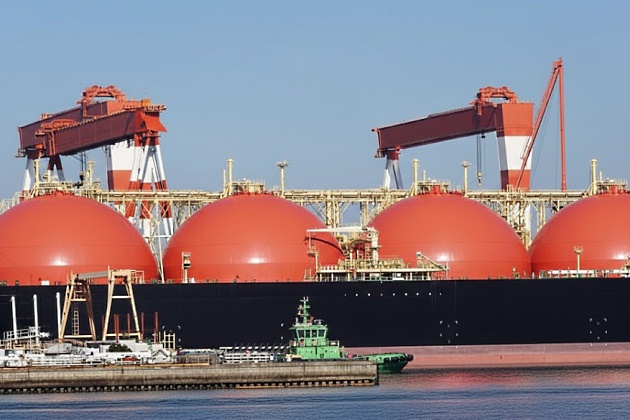
To qualify for this certificate, seafarers must document at least 90 days of sea service on specialized vessels or complete an approved onboard training program of at least one month, which must include at least three loading and three discharging operations.
Source: Unsplash.com
Notably, the position of “Gas Engineer” is not listed as a formal rank within the STCW Code. Sea time served in this capacity is generally credited toward the requirements for a 3rd Engineer’s license. This highlights that “Gas Engineer” is a specialized functional role rather than a standalone rank. A mariner typically holds a standard COC (Certificate of Competency), such as 2nd or 3rd Engineer, and then acquires specialized endorsements to step into this high-responsibility role. This model underscores that expertise in this field is a synergy of general maritime education and niche industrial training.
Mandatory Documentation and Certification
Beyond the primary COC and STCW endorsements, a Gas Engineer requires a suite of specific documents verifying their readiness to handle hazardous cargoes:
- Cargo Securing Manual (CSM) certification.
- Hazardous Cargo Certificate (Hazmat training).
- Certificate of Fitness (COF) for the Carriage of Liquefied Gases in Bulk.
Possessing these documents is a prerequisite for employment, ensuring the specialist has the verified knowledge to perform their duties safely.
Market Demand and Gas Engineer Salaries in 2026
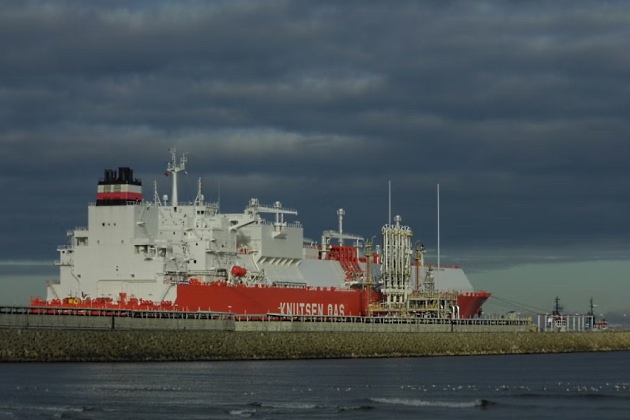
As of early 2026, the global shift toward cleaner maritime fuels has triggered a “super-cycle” in the LNG market. With over 300 new LNG carriers expected to be delivered between 2025 and 2027, the demand for qualified Gas Engineers has reached an all-time high.
Source: Unsplash.com
Current market data indicates that salaries for Gas Engineers remain among the highest in the merchant fleet:
- LNG Carriers: Average monthly salaries range from $11,000 to $14,000, depending on experience and the complexity of the vessel’s reliquefaction plant.
- LPG/Ethylene Carriers: Salaries typically fall between $7,500 and $9,500 per month.
- VLGC (Very Large Gas Carriers): Senior Gas Engineers on these vessels can command premiums due to the scale of operations.
The profession is expanding its horizons: gas systems are now integrated not only into specialized tankers but also into cruise liners, where they provide sustainable power, and fishing vessels, where they are utilized for the cryogenic storage of catches. This trend confirms that the role is one of the most promising and strategically vital for the future of maritime transport. See the full salary breakdown by job role and vessel type here.
Conclusion
The role of a Gas Engineer stands as a benchmark of engineering excellence within the merchant fleet. It demands not only a profound foundation in traditional marine engineering but also the specialized expertise required to manage complex cryogenic and reliquefaction systems. This position involves a high level of responsibility and risk management, governed by rigorous international frameworks such as the IGC and ISM Codes. This transforms the job from a purely technical role into a comprehensive discipline that prioritizes procedural discipline and safety management. The competitive salary levels and surging market demand are a direct reflection of this role’s unique value.
The global transition toward more sustainable marine fuels ensures that the demand for highly skilled Gas Engineers will continue to rise. This trajectory establishes the profession as one of the most promising and strategically vital for the future of the global shipping industry. For those committed to continuous learning and high-stakes responsibility, a career as a Gas Engineer offers a pathway to exceptional professional and financial opportunities.