Chief Officer Role: Everything You Need to Know About the Job
The Chief Officer (often referred to as the Chief Mate) is a key figure among the ship’s licensed officers, responsible for a wide range of critical tasks on board. The safety of navigation and the overall success of the voyage depend directly on their professionalism and expertise. When working on seagoing vessels, seafarers of all ranks must strictly adhere to their job duties to ensure seamless coordination, operational continuity, and maritime safety.
- Who is a Chief Officer?
- Duties and Responsibilities of a Chief Officer
- Key Skills and Requirements for a Chief Officer
- Documentation: Certificates, Endorsements, and STCW Licenses
- Chief Officer’s salary
- Career Prospects for Chief Officers
- FAQ: Frequently Asked Questions About the Chief Officer Profession
- How do I secure my first contract as an officer?
- How can I upgrade my qualifications and earn new certificates?
- Which certificates require mandatory revalidation?
- How difficult is the transition from junior ranks to Chief Officer?
- What additional knowledge provides a competitive edge?
- What is the “Farvater” (Fairway) Computer Test?
- Conclusion
Interested in learning more about this rewarding and highly sought-after profession? In this article, we will delve into the essential qualities a Chief Mate must possess, the core knowledge required for the role, the specific duties and responsibilities they handle, and how to kickstart your maritime career.
Who is a Chief Officer?
The Chief Officer (Chief Mate) is the Captain’s right-hand man, responsible for the safe operation of the vessel and the coordination of the deck department. Beyond merely executing the Master’s orders, the Chief Officer makes independent decisions within their scope of authority.
The role of the Chief Mate has evolved significantly over centuries, reflecting the transformation of the maritime industry and the integration of new technologies.
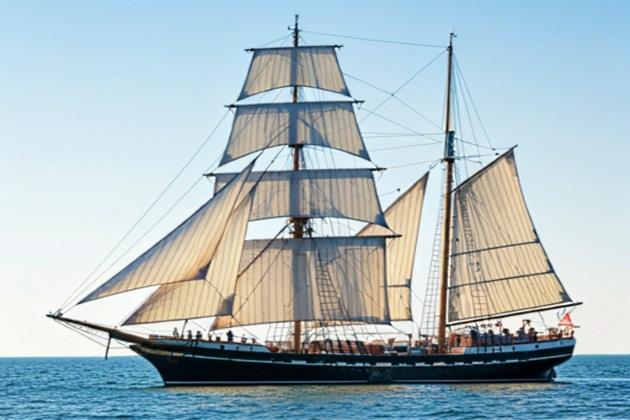
In the Era of Sail, the Chief Mate’s responsibilities were diverse:
- Primary Navigator: Used sextants, compasses, and paper charts to determine the ship’s position.
- Crew Coordination: Managed the deckhands, supervised duties, and maintained onboard discipline.
- Maintenance: Responsible for the vessel’s technical condition, organizing repairs to sails, rigging, and the hull.
- Naval Warfare: In wartime, the Mate prepared the crew for maritime engagements.
With the transition to steamships, the scope of the Chief Officer’s duties expanded. In addition to traditional tasks, they became responsible for steam engines and radio communications, requiring entirely new skill sets. In the 21st century, the Chief Officer has become a “digital” specialist.
Source: AI generated image
Modern vessels feature complex automation systems that streamline ship handling but demand deep IT literacy.
- Integrated Control Systems: Proficiency in operating automated steering, propulsion, and auxiliary systems.
- Safety System Monitoring: Oversight of fire detection, ice detection, and environmental protection systems (pollution prevention).
- Electronic Record-Keeping: Managing Electronic Logbooks (e-logs), voyage reports, and digital documentation.
The ongoing trends of automation and digitalization are inevitably transforming the role. In the future, the focus will shift even further toward team management, maritime safety, and the use of Artificial Intelligence (AI) for data-driven decision-making.
The Chief Mate holds a pivotal position in the ship’s hierarchy, serving as the direct second-in-command (2iC). Their role is so vital that their absence would severely compromise navigational safety and operational efficiency. Here is why this position is indispensable:
- Succession of Command: In the Master’s absence, the Chief Officer assumes command, ensuring operational continuity and decisive leadership in any situation.
- Deck Department Management: Leads the organization of deck operations, planning and supervising tasks such as mooring, towing, and cargo operations.
- Navigation Expertise: Possesses advanced navigation skills, including chart work and the use of sophisticated bridge electronics to keep the vessel on a safe course, avoiding hazards and groundings.
- Safety Officer: Plays a key role in emergency preparedness, developing damage control plans, organizing crew drills, and ensuring strict compliance with safety regulations.
- Technical Knowledge: Deeply understands the vessel’s specifications and systems, allowing for rapid response to technical failures.
- The Link in Command: Acts as the vital bridge between the Master and the rest of the crew, communicating orders, answering queries, and resolving conflicts.
Duties and Responsibilities of a Chief Officer
Fulfilling the duties specified in the seafarer’s employment agreement (SEA) is an essential condition for working on board. Compliance with all regulations and statutes directly impacts the safety of the crew and the vessel as a whole.
The responsibilities of a Chief Officer are categorized into five primary areas:
- Deck Department Coordination
The Chief Officer not only plans but also actively participates in task allocation among the deck crew, ensuring optimal workload distribution and effective teamwork. Regular quality control allows the Chief Mate to identify and rectify errors promptly, adjusting work plans as needed. Special emphasis is placed on occupational safety; the Chief Officer conducts thorough safety briefings and drills to minimize the risk of accidents during various shipboard operations.
- Cargo Operations Management
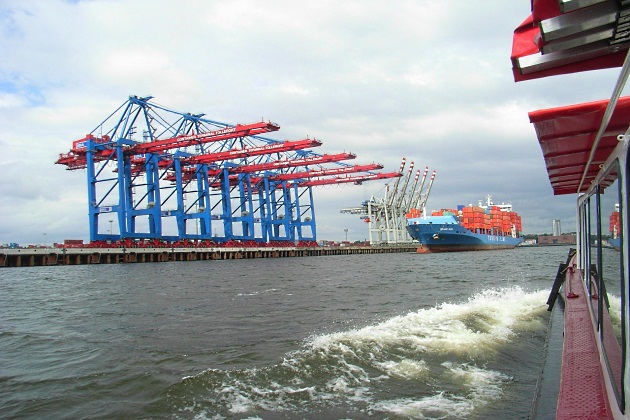
This role involves the meticulous planning of all loading and discharging operations, taking into account the specific characteristics of each cargo type and necessary safety measures. The Chief Officer ensures proper cargo stowage and securing to prevent shifting during the voyage, thereby guaranteeing the safety of the vessel and crew.
Source: Pixabay.com
Additionally, they manage all cargo-related documentation to maintain oversight and ensure compliance with international regulations.
- Documentation and Record-Keeping
The Chief Officer maintains rigorous records, documenting all significant shipboard events in the Deck Logbook. They utilize various checklists to monitor the vessel’s technical condition and ensure adherence to international standards such as MARPOL, SOLAS, and the ISM Code. Regular reports are prepared for the Master and the shipowner, providing updates on the vessel’s status and completed works.
- Audit and Inspection Readiness
The Chief Officer is responsible for preparing the vessel for external audits and inspections (such as PSC or SIRE). This involves systematizing all required documentation and conducting a thorough pre-inspection of the vessel’s technical condition and equipment to rectify any deficiencies. Furthermore, they conduct detailed briefings with the crew to explain the necessary procedures and conduct during official inspections.
Key Skills and Requirements for a Chief Officer
The Chief Officer’s stripes in the merchant navy are earned only after completing a comprehensive educational course and gaining substantial sea service (experience). For experienced seafarers, Chief Mate vacancies offer competitive high salaries.
A candidate must possess specific competencies to secure this responsible position. The most vital are professional competencies, which include expertise in:
- Navigation.
- Hydrometeorology.
- Vessel Stability.
What is Navigation?
Navigation is a comprehensive set of knowledge and practical skills in maritime affairs essential for the safe and efficient ship handling. It involves position fixing, passage planning, selecting the optimal route, monitoring vessel movement, and collision avoidance.
Equally important is hydrometeorology, which plays a key role in maritime operations by allowing the officer to:
- Predict weather patterns.
- Protect the marine environment.
- Utilize natural resources effectively.
- Ensure the safety of various shipboard activities.
- Optimize voyage performance.
Understanding the processes occurring in the atmosphere and hydrosphere helps the Chief Mate make informed decisions and adapt to changing climatic conditions during a voyage.
To effectively perform their duties while ensuring vessel safety, every Chief Officer (C/O) must possess undeniable soft skills, such as:
- Leadership and Teamwork.
- Stress Tolerance (Resilience).
- Conflict Resolution.
The position of Chief Officer is highly demanding, and possessing these qualities is essential to fulfill responsibilities without compromising mental health and well-being.
Documentation: Certificates, Endorsements, and STCW Licenses
To perform their duties, a Chief Officer must hold a specific set of documents verifying their qualifications and fitness for duty.
Source: Pixabay.com
A Chief Officer’s Certificate of Competency (CoC) is issued upon successful completion of the relevant educational program and demonstration of profound knowledge in maritime navigation, ship handling, and crew management. This document serves as official proof of professional qualification, granting the right to hold the position on a seagoing vessel. The revalidation of the Chief Mate certificate is conducted in accordance with the requirements of the International Convention on Standards of Training, Certification and Watchkeeping for Seafarers (STCW).
Key Documents for a Chief Officer:
- STCW Certificates: The STCW Convention sets the minimum international standards for the training and qualification of seafarers. A C/O must hold valid certificates confirming competence in navigation, ship handling, safety, and marine environmental protection.
- Flag State Endorsement: Issued by the maritime authority of the vessel’s Flag State, this document confirms the holder’s right to serve as a Chief Officer on ships of a specific type and tonnage.
- Medical Fitness Certificate: Confirms that the seafarer has passed a medical examination and is fit for service at sea.
- Seaman’s Service Book (Discharge Book): A document identifying the seafarer and containing a detailed record of their sea service, voyages, and experience.
- Seafarer’s Employment Agreement (SEA): A specialized contract governing the relationship between the seafarer and the shipowner or their representative. This agreement accounts for the unique nature of the maritime profession and international shipping regulations.
Note: Additional documentation may be required depending on the vessel type (e. g., tankers, gas carriers), trading area, and specific shipowner requirements.
Important: Documentation requirements are subject to change. It is highly recommended to regularly verify current information with maritime authorities and employers.
Why are these documents so vital? Having all necessary credentials not only proves professional suitability but also serves as a guarantee of maritime safety. STCW certificates, recognized worldwide, testify to a high level of expertise, while compliance with national legislative requirements ensures that all safety standards on board are strictly met.
Chief Officer’s salary
The Chief Officer’s salary reflects the immense responsibility they bear for vessel security and crew safety. In 2026, compensation for this rank varies significantly based on the ship type, the complexity of cargo operations, and the officer’s specialized expertise.
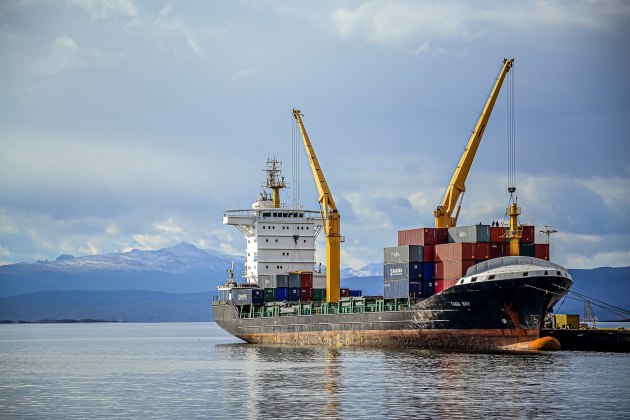
On container vessels, the average monthly salary for a Chief Mate hovers around $7,040. Leading maritime employers like Alpha Navigation and Amergo Group offer rates ranging from $7,900 to $9,000, depending on the contract terms. For those serving on General Cargo ships, the average pay is slightly lower, at approximately $6,288, with top-tier companies like Marine MAN and D&D Crewing offering up to $7,500 for experienced officers.
Source: Pixabay.com
The highest earning potential for a Chief Officer is found in the gas and tanker sectors. On LPG/LNG carriers, salaries are significantly above the industry average, often ranging from $10,500 to over $17,000 per month. Companies such as Danica Crewing Services and MA Fair Wind set the gold standard here. This premium is due to the specialized knowledge required for handling liquefied gases and maintaining advanced cryogenic systems. Similarly, tanker fleet salaries are tied to the cargo type: Product Tankers typically pay around $8,500, while Crude Oil and Chemical Tankers offer between $10,000 and $12,600 per month.
Beyond the ship type, a Chief Officer’s income is heavily influenced by three factors: Flag State reputation, company stability, and technical certifications. Serving under prestigious flags ensures better social guarantees and higher pay scales. However, the most effective way to boost income is through additional STCW certifications and specialized training in:
- Advanced Tanker/Gas Cargo Operations.
- Safety Management Systems (SMS).
- Marine Environmental Protection (MARPOL compliance).
- Advanced Medical First Aid.
Ultimately, a Chief Officer’s professional value is a combination of their sea service (experience) and their ability to handle complex digital automation. Continuous professional development and a proven track record of safe voyages remain the primary drivers for securing high-paying vacancies in the global maritime market. See the full salary breakdown by job role and vessel type here.
Career Prospects for Chief Officers
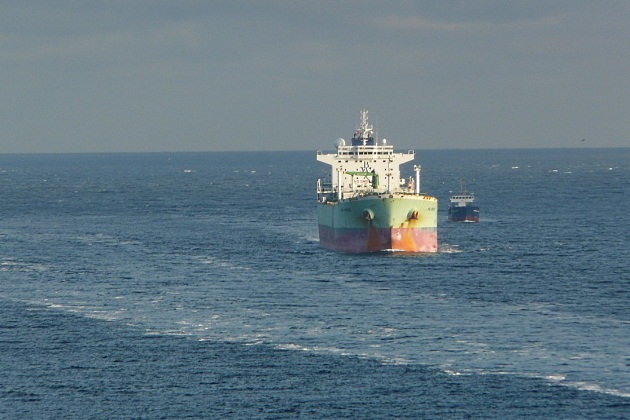
As established, the role of a Chief Officer is a pivotal stage in a maritime career. Whether on a merchant vessel or a naval ship – where duties include additional strategic and tactical tasks – this position is often a stepping stone to higher leadership.
Source: Pixabay.com
The most direct and anticipated career path is promotion to Ship’s Captain (Master). After accumulating the required sea time and obtaining the necessary Master Mariner certifications, an officer can take command of larger or more specialized vessels.
Alternative Career Paths: Moving Ashore
If moving to the Master’s position is not your primary goal, the maritime industry offers diverse and rewarding shore-based opportunities:
- Ship Management and Operations: Transitioning into roles such as Marine Superintendent, voyage planner, or logistics coordinator. These positions focus on fleet management, technical maintenance, and operational efficiency.
- Port Authorities and Administration: Employment within port state control (PSC) involving vessel traffic management, maritime safety oversight, and environmental monitoring.
- Classification Societies: Working with organizations like DNV, Lloyd’s Register, or ABS to ensure vessels comply with international regulations and structural standards.
- Maritime Training and Education: Becoming an instructor at a maritime academy or training center, passing on expertise to the next generation of seafarers.
- Marine Surveying and Auditing: Serving as a Marine Surveyor or auditor, conducting inspections to ensure compliance with safety and quality standards (e. g., SIRE, CDI).
Transitioning to a shore-based role often provides a more stable work-life balance and comprehensive social benefits. It allows you to expand your professional horizons and apply your maritime expertise in corporate or regulatory environments. Whether at sea or on land, the career of a Chief Officer offers numerous avenues for professional growth and high-level qualification.
FAQ: Frequently Asked Questions About the Chief Officer Profession
When searching for a Chief Mate vacancy, seafarers often scour forums and job boards to ensure they choose the right company. Below, we address the most common questions regarding this critical rank.
How do I secure my first contract as an officer?
To land your first role, you must have all mandatory STCW documents and a well-crafted maritime CV. Start by analyzing the labor market and sending your resume directly to shipping companies or reputable crewing agencies.
- Pro-tip: Join maritime forums and communities to gain insights into specific companies. Be prepared for rigorous interviews and, potentially, a period of cadetship or “junior officer” roles to gain necessary practical experience.
How can I upgrade my qualifications and earn new certificates?
Professional growth is achieved through a mix of maritime training centers, online courses, and academic education.
- Self-study: Follow industry vlogs, read technical manuals, and take specialized online courses.
- Advanced Training: Enroll in a maritime university or academy for Master Mariner programs. Many top-tier shipowners also provide in-house training for their officers to bridge skill gaps.
Which certificates require mandatory revalidation?
Most maritime certificates expire every 5 years. Key documents that must be kept up-to-date include:
- Medical Fitness Certificate (ENG1 or equivalent).
- Basic Safety Training (BST).
- Proficiency in Survival Craft and Rescue Boats (PSCRB).
- Advanced Firefighting (AFF).
Important: Always track your expiry dates. Expired certificates can lead to employment rejection or legal penalties. A crewing agent can often help you schedule these refreshers.
How difficult is the transition from junior ranks to Chief Officer?
The transition depends on your sea service, vessel type, and leadership skills.
- Experience: Having a solid background as a Second Officer makes the jump smoother.
- Vessel Specifics: Moving to the same rank on a tanker, container ship, or passenger vessel requires learning specific cargo-handling systems.
- Soft Skills: Beyond technical knowledge, shipping companies look for high English proficiency, decisiveness, and proven leadership.
What additional knowledge provides a competitive edge?
To stand out, a Chief Officer should go beyond basics. High-value skills include:
- Deep understanding of Maritime Law and conventions (SOLAS, MARPOL, STCW).
- Proficiency in Integrated Navigation Systems and automation.
- Mastery of Leadership and Managerial (HELM) skills for effective team management and crisis response.
- Professional fluency in Maritime English.
What is the “Farvater” (Fairway) Computer Test?
The “Farvater” test (common in CIS regions) is a standardized computer examination used to assess a navigator’s knowledge of IMO regulations, COLREGs, and general seamanship.
- Purpose: It is used for Certificate of Competency (CoC) issuance, revalidation, or pre-employment screening.
- Format: It typically includes multiple-choice questions, open-ended technical queries, and sometimes basic bridge simulations to test situational decision-making.
Conclusion
The role of a Chief Officer is more than just a job; it is a calling. The safety of the crew, the cargo, and the vessel itself rests upon their professionalism and sense of duty. If you possess leadership qualities, resilience under pressure, and a drive for constant self-improvement, the career of a Chief Mate is an exceptional choice.
Becoming a C/O requires a consistent buildup of experience and technical skills. Start with the fundamentals by serving as an Able Seaman (AB), Bosun, or Third Officer. This hands-on journey allows you to immerse yourself in maritime life, master ship construction, and understand core operational duties from the ground up.
Never stop evolving. Regularly attend advanced training courses to broaden your expertise and secure vital certifications. Gaining experience on diverse vessel types will make you a versatile specialist capable of adapting to any maritime environment. To benchmark your current knowledge, you can take a “Delta Test for Chief Officers” online to identify areas for growth.
Source: Pixabay.com
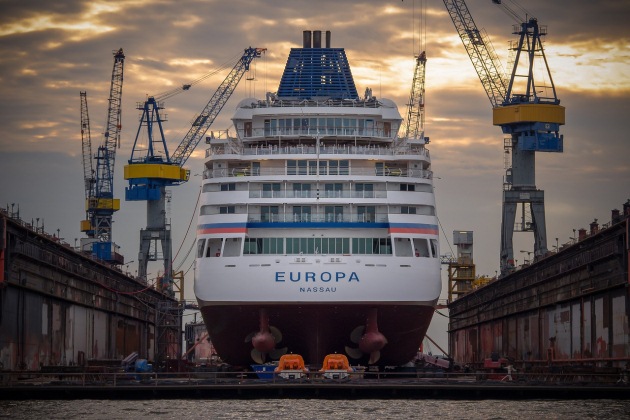
Modern shipping demands profound navigation skills. Master the use of sophisticated bridge electronics to ensure precision at sea. Furthermore, Maritime English remains an absolute requirement for international operations. Building a professional network is equally important: engage with veteran captains, industry peers, and reputable crewing managers to stay ahead in the field.
Ultimately, a Chief Officer is a leader who makes decisive choices and inspires the crew. Cultivate your leadership style, refine your communication skills, and embrace the high level of responsibility that comes with being the Master’s second-in-command.