Chief Engineer Officer: Duties, Career Path, and Responsibilities
The Chief Engineer, commonly referred to as the “Chief“, holds the highest licensed position within a vessel’s engine department. They bear overall responsibility for all engineering equipment and systems on board. The role of a Chief Engineer on a ship is critical for ensuring the safe, efficient, and compliant operation of propulsion, electrical, and auxiliary systems. A Chief Engineer’s expertise is vital to the success of any voyage, ensuring seamless team performance, maritime safety, security, and the protection of the marine environment.
- Official Job Descriptions and Core Responsibilities
- Management of the Engineering Department
- Ship’s Repair Officer and CMMS Functions
- Liaison with Shore Management and External Contractors
- Qualifications, Certificates, and Training
- Chief Engineer Job Certification (STCW III/2 and III/3)
- Continuous Professional Development and License Renewal
- Management of Ship Machinery and Systems
- Leadership and Engine Room Management
- The Human Factor in Marine Engineering Accidents
- Regulatory Compliance and Documentation
- International Maritime Conventions
- Shipboard Documentation and Record-Keeping
- Interaction with External Authorities
- Practical Challenges and Critical Decision-Making at Sea
- Emergency Response Scenarios
- Career Growth and Future Prospects
- Impact of Automation, Digitalization, and Decarbonization
- Chief Engineer Salary
This role demands more than just advanced technical skills, sharp problem-solving abilities, and the capacity to quickly diagnose and rectify faults; it prioritizes managerial functions. The efficiency of the engine room depends directly on a combination of deep engineering knowledge and strong leadership, communication, and personnel management skills. While technical competence provides the understanding of the tasks at hand, leadership is essential for effective delegation, motivation, and ensuring the team executes these tasks safely and efficiently.
The Chief Engineer’s functions include proactive risk mitigation and the continuous improvement of safety protocols. Beyond troubleshooting and emergency response, they are responsible for “preservation“, “readiness“, “planned maintenance systems (PMS)“, “Safety Management System (SMS) implementation“, and “ensuring compliance with safety regulations“. This proactive approach, rooted in the principles of the ISM Code, is crucial for the long-term safety of the vessel and its operational integrity.
However, despite the seemingly all-encompassing nature of this role, the reality of maritime service often involves unique challenges that go beyond a simple list of duties. This analysis delves into the nuances, practical difficulties, and strategic importance of the Chief Engineer’s role, offering a critical perspective on their daily activities and their impact on overall vessel efficiency.
Official Job Descriptions and Core Responsibilities
The Chief Engineer on a ship is responsible for the proper operation and maintenance of all shipboard systems, including propulsion, auxiliary, and life-saving equipment. Their duties encompass ensuring equipment readiness, preservation of machinery, and maintaining the cleanliness of engine spaces. They are also accountable for bunkering, pollution control, liquid cargo loading, logbook maintenance, reporting, procurement, and inventory control.
Management of the Engineering Department
The Chief Engineer manages the activities of the engineering department, supervising assistant engineers and unlicensed personnel (ratings). They plan, direct, coordinate, and supervise the work of the engineering team. Responsibilities include budget management, determining requirements based on operational plans, and ensuring the economical use of consumables, stores, and spare parts. They maintain accurate records of available equipment and supplies.
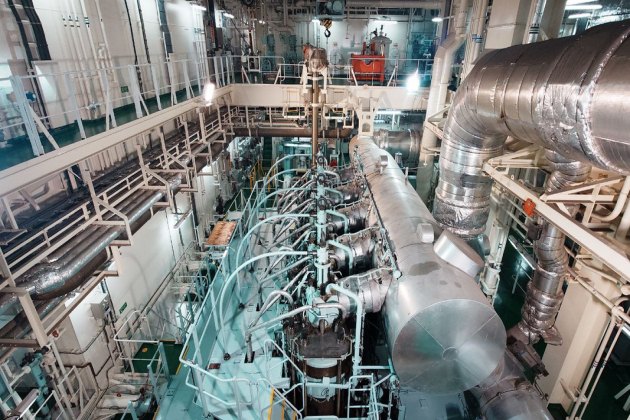
This function extends beyond simple fund allocation. The Chief Engineer acts as a key financial steward and asset manager, whose decisions directly impact operating expenses (OPEX) and long-term vessel profitability. For instance, choosing between high-cost Original Equipment Manufacturer (OEM) parts and cheaper alternatives requires a thorough cost-benefit and risk analysis, considering potential downtime, repair costs, and insurance implications. Effective inventory and procurement management amidst volatile supply chains is critical for minimizing downtime and ensuring operational continuity, demanding strategic planning and agility.
Ship’s Repair Officer and CMMS Functions
The Chief Engineer serves as the Ship’s Repair Officer, responsible for shipboard administration and the management of the Computerized Maintenance Management System (CMMS). This includes assigning maintenance tasks, managing user permissions, and generating feedback or change requests. They leverage CMMS data to support the marine operations engineering department in developing technical specifications and planning maintenance and repair schedules.
The Chief Engineer ensures proper documentation of all equipment failures in the engine room logbook and CMMS, initiating Casualty Reports (CASREP) when necessary. Proficiency in CMMS is a core qualification requirement. By maintaining records, the Chief Engineer becomes the primary conduit for critical operational and technical data between the vessel and shore-side management. This is vital for strategic decision-making, budget control, and long-term asset management. However, effective CMMS implementation often requires overcoming resistance to change and ensuring data quality to prevent the system from becoming a bureaucratic burden.
Liaison with Shore Management and External Contractors
The Chief Engineer coordinates the work of external repair contractors on board. They maintain liaison with the Port Engineering team and the Engineering Superintendent to facilitate repairs, contractor visits, and dry-docking operations. They provide detailed breakdown and failure analysis to the shore-side engineering team for faster vessel recovery. Additionally, they communicate with shore personnel and vendors. This role requires deep technical knowledge combined with strong negotiation, project management, and conflict resolution skills, especially under tight deadlines and limited budgets.
Implementation and Oversight of the Safety Management System (SMS)
The Chief Engineer manages engineering department activities in support of the company’s Safety Management System (SMS) and related documentation. They ensure safe working practices are aligned for all engine room tasks. They oversee the onboard induction of all new engineering officers and crew, ensuring proper training and understanding of duties in a safe environment. They also monitor compliance with OSHA, NFPA, and other applicable safety regulations.
Qualifications, Certificates, and Training
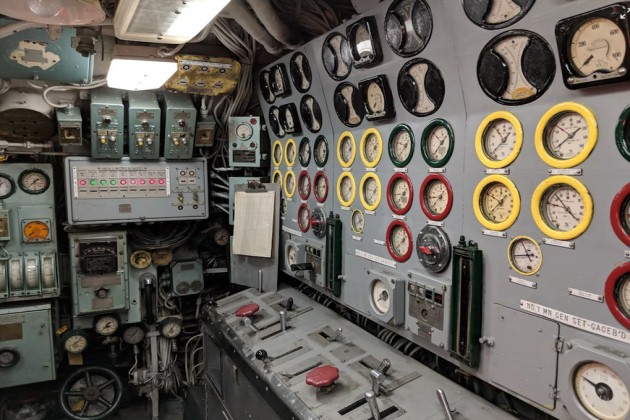
The STCW Convention Framework The International Convention on Standards of Training, Certification, and Watchkeeping for Seafarers (STCW) 1978, as amended, sets global competency standards. It provides a structured career path for engineering officers to progress toward Engineer Officer of the Watch (EOOW), Second Engineer, and Chief Engineer qualifications. STCW compliance is crucial for international recognition and employability.
Source: Unsplash.com
While STCW provides a baseline, variations in training quality and challenges in obtaining sufficient sea time on vessels with specific propulsion power can impact career progression and lead to a shortage of qualified professionals.
Requirements for Officer in Charge of an Engineering Watch (OICEW) (STCW III/1) The OICEW is responsible for the safe operation of the main propulsion machinery and associated auxiliaries. Requirements typically include 1,080 days (approximately 3 years) of seagoing service in the engine department, with 180 days of watchkeeping duties, or completion of an approved training program. Candidates must meet age (minimum 18 for unlimited EOOW) and medical standards.
Chief Engineer Job Certification (STCW III/2 and III/3)
Age, Sea Time, and Experience Requirements:
- STCW III/2 (Propulsion power of 3,000 kW or more): Minimum age 21. Requires 36 months of sea time, or 24 months if at least 12 months were served as Second Engineer on vessels of 3,000 kW or more.
- STCW III/3 (Propulsion power between 750 kW and 3,000 kW): Requires OICEW compliance and specific sea time as an assistant engineer.
Mandatory Training Modules: Includes Advanced Firefighting, Basic Training, Leadership and Management Skills (LMS), Medical Care, Chief/Second Engineer Course (3,000 kW), Proficiency in Survival Craft and Rescue Boats (PSCRB), Ship Security Officer (SSO), and Security Awareness.
These courses cover:
- Propulsion plant management, safety, and maintenance;
- Thermodynamics and heat transmission;
- Refrigeration and air conditioning;
- Fuels and lubricants;
- Naval Architecture and Ship Construction;
- Damage control;
- Diesel engines, boilers, and turbines;
- Operation and maintenance of machinery, pumps, and piping systems;
- Electrical plant management, restoration, and troubleshooting;
- General maintenance and repair management;
- Ensuring safe working practices;
- Trim, stability, and stress control;
- Monitoring compliance with legislative requirements;
- Maintaining the safety and security of the vessel, crew, and passengers.
Academic and Practical Training Programs: Completion of approved programs meeting STCW Code standards. Maritime academies provide practical training, including machine shop work, watchkeeping, and cadetship programs. Modern certification increasingly emphasizes soft skills, such as Leadership and Resource Management (ERM), reflecting the importance of the human factor in maritime operations.
Continuous Professional Development and License Renewal
Licenses require periodic renewal (revalidation), often involving verification of sea time, passing comprehensive examinations, completing refresher and updating courses, or serving as a qualified instructor. Particular emphasis is placed on continuous training in Engine Room Resource Management (ERM) to further develop leadership and managerial skills. Continuous Professional Development (CPD) is essential for staying abreast of evolving maritime technologies and international regulations.
| Table 1. Core STCW Certification Requirements for Chief Engineer Officers (III/2 and III/3) | |||||
|---|---|---|---|---|---|
| STCW Convention Regulations | Propulsion Plant Power Output | Minimum Age Requirements for Seafarers | Total Required Sea Time for Certification | Required Sea Service for Second Engineer Officer | Mandatory Basic Safety Training Modules |
| III/2 | 3,000 kW Propulsion Power or More | 21 years old | 36 months (or 24 months) | 12 months (if sea service is 24 months) | Advanced Firefighting Training Leadership and Managerial Skills (LMS) Chief or Second Engineer Training Course (3,000 kW or more) Proficiency in Survival Craft and Rescue Boats (PSCRB) Ship Security Officer (SSO) Certification |
| III/3 | Between 750 kW and 3,000 kW Propulsion Power | 19 years old | 12 months as an assistant engineer officer | Not applicable (N/A) | Advanced Firefighting Training Leadership and Managerial Skills (LMS) Chief or Second Engineer Training Course (3,000 kW or more) Proficiency in Survival Craft and Rescue Boats (PSCRB) Ship Security Officer (SSO) Certification |
Management of Ship Machinery and Systems
- Main Propulsion Systems:
The Chief Engineer Officer bears ultimate responsibility for the safe and efficient operation of the main propulsion plant. This includes constant monitoring of engine parameters and ensuring they remain within design specifications.
Expertise in marine engine troubleshooting is paramount, covering issues such as overheating, fuel system malfunctions, starting difficulties, unusual noises, and excessive smoke. However, this is not merely intuitive; the Chief Engineer employs systematic diagnostic approaches, such as Fault Tree Analysis (FTA) and Root Cause Analysis (RCA), interpreting sensor data, blueprints, and technical manuals to precisely isolate and rectify faults.
The implementation and administration of main engine planned maintenance programs is a core duty. This involves routine inspections, oil and filter changes, cooling system maintenance, fuel system care, anode checks, turbocharger inspections, and valve clearance adjustments. Specific major overhaul procedures include cylinder liner inspections and wear measurements, piston overhauls, and fuel injection system calibration and maintenance. Turbochargers also require regular cleaning, inspection, and overhauling.
Critical compliance is required in Sulphur Emission Control Areas (SECA), necessitating controlled fuel changeover procedures between different fuel types while managing viscosity and temperature changes (maximum 2 °C/minute) to prevent thermal shock and maintain lubrication.
- Auxiliary Machinery and Systems:
Auxiliary machinery includes:
- Pumps (fuel oil, lube oil, sea water, bilge, and fire pumps);
- Compressors (air and refrigeration compressors);
- Purifiers (fuel and lube oil separators/purifiers);
- Fresh water generators, boilers, and HVAC systems (Heating, Ventilation, and Air Conditioning).
The Chief Engineer oversees the maintenance, repair, and troubleshooting of these systems. This involves regular inspections, cleaning, lubrication, parts replacement, and addressing common malfunctions.
- Power Generation and Distribution:
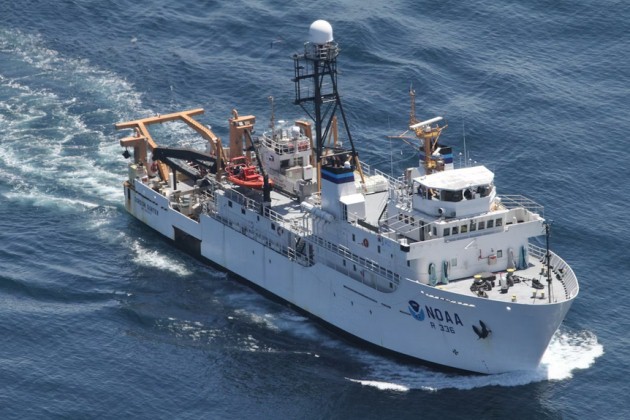
The Chief Engineer supervises electrical power generation, distribution, and management via diesel generators, switchboards, and transformers. They ensure the reliability and efficiency of onboard electrical systems. The “Chief” also manages generator synchronization for parallel operation and ensures even electrical load sharing. They address power quality issues, such as voltage fluctuations and harmonic distortion, and diagnose electrical faults.
Source: Unsplash.com
Furthermore, they develop and implement blackout recovery procedures, including starting emergency generators, restoring power, and load management. A failure in one seemingly isolated system can quickly escalate into a major incident due to the high interconnectivity of ship machinery. The Chief Engineer’s role is not just to repair individual components, but to understand these complex interdependencies and anticipate potential cascading failures.
- Implementation of Planned Maintenance Systems (PMS):
The Chief Engineer analyzes needs, plans preventive maintenance programs, and successfully implements and administers the vessel’s PMS. A PMS is mandatory under the ISM Code. It streamlines the planning, documentation, and execution of maintenance work and surveys. It integrates with inventory control, providing automatic updates on spare parts.
The increasing adoption of Computerized Maintenance Management Systems (CMMS) and fuel optimization software is shifting the Chief Engineer’s role from purely hands-on repair to a data-driven approach for predictive maintenance and operational efficiency. However, transitioning to predictive maintenance requires significant investment in sensors, software, and training, as well as overcoming data quality issues and resistance to traditional workflow changes.
- Fuel and Lubricant Management Strategies:
The Chief Engineer determines the quantity of bunkers and lubricants required for the voyage and ensures their availability on board. They oversee bunkering operations, verifying local supplier documentation for fuel quantity and specifications. Fuel samples are taken and sent for laboratory analysis (Bunker Fuel Testing).
They implement strategies to reduce fuel consumption, including slow steaming, cold ironing (shore power), engine load optimization, and monitoring high-consumption operations. Vessel performance monitoring and data analytics play a vital role in optimizing fuel consumption. These strategies directly impact the vessel’s Operating Expenses (OPEX) and carbon footprint, making the Chief Engineer a key player in achieving sustainability goals and financial efficiency.
They also manage routine Lube Oil Analysis programs to assess oil condition, contamination, and machinery wear. This helps identify early signs of mechanical issues, maximize machinery lifespan, and optimize maintenance schedules.
Leadership and Engine Room Management
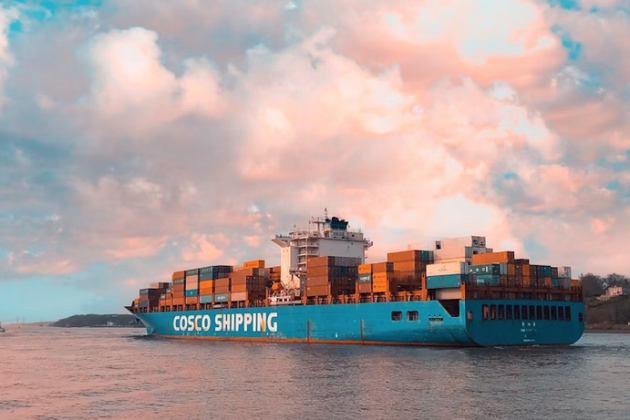
The Chief Engineer plans, directs, coordinates, and supervises the work of assistant engineers and unlicensed engine room ratings. They hold ultimate responsibility for the safety and oversight of all engine department personnel. The “Chief” mentors and trains junior engineers in maintenance procedures while providing leadership, guidance, and professional development. They conduct performance appraisals, evaluating the skills, abilities, and attitudes of the officers under their command.
Source: Unsplash.com
The Chief Engineer fosters a proactive safety culture, ensuring every member of the engineering team understands that safety must always come first. This involves conducting safety meetings, emergency drills, and on-board training. They encourage near-miss reporting to identify potential hazards before they escalate. They ensure all engineering personnel and cadets are trained in the Safety Management System (SMS), emergency procedures, and industry best practices. Regular inspections of standby equipment and blackout/emergency steering drills are mandatory. Despite technological advancements, the Chief Engineer’s effectiveness in managing the human factor (fatigue, communication, training) remains the most critical factor for engine room safety and operational success.
The Chief Engineer delegates tasks to engineers and ratings, supervising their execution while ensuring the engine room is manned by qualified and medically fit personnel. They promote effective teamwork and collaboration within the engineering department and with other departments. Clear and concise communication – both verbal and written – is maintained at all times. The Chief Engineer ensures that Chief Engineer’s Standing Orders are strictly followed. They maintain constant liaison with the Master (Captain) regarding the voyage itinerary and operational status, relaying critical information to the team while encouraging questions and feedback. The unique challenges of life at sea – long voyages, confined spaces, and high-risk machinery – amplify the need for exceptional leadership that goes beyond technical management to encompass psychological and social aspects.
The Human Factor in Marine Engineering Accidents
- Fatigue, Stress, and Cognitive Load: These factors significantly impact situational awareness, reaction times, and decision-making. High cognitive load is particularly problematic during high-demand operations. The Chief Engineer must actively manage these factors by implementing effective work schedules (Rest Hours compliance), encouraging rest, and fostering a supportive environment.
- Communication Gaps: Breakdowns in communication between crew members or between the ship and shore are primary causes of accidents. Cultural diversity can influence working methods and communication styles. The Chief Engineer must be a master of cross-cultural communication, capable of resolving conflicts and ensuring instructions are clearly understood.
- Decision-Making Under Pressure: Suboptimal decision-making in stressful conditions is a major contributor to accidents. While engine room simulator training improves judgment, real-world scenarios often require decisions based on incomplete information, leading to complex ethical dilemmas where safety, operational efficiency, and financial considerations may conflict.
Regulatory Compliance and Documentation
The Chief Engineer is the primary custodian of onboard compliance. The sheer volume and complexity of international maritime regulations – MARPOL, STCW, ISM Code, and the Ballast Water Management Convention (BWMC) – position the Chief Engineer as the central figure responsible for ensuring, documenting, and demonstrating the continuous compliance of the vessel’s engineering operations. Non-compliance can lead to severe consequences, including Port State Control (PSC) detentions, massive financial penalties for the company, and criminal liability for individuals, alongside significant reputational damage.
International Maritime Conventions
MARPOL Annex I (Prevention of Pollution by Oil)
Applicable to oil tankers over 150 GT and other vessels over 400 GT. It establishes requirements for oil-content discharge limits, Oily Water Separator (OWS) equipment, monitoring and alarm systems, cargo and ballast tank design, Crude Oil Washing (COW), and Inert Gas systems. Vessels must carry an International Oil Pollution Prevention (IOPP) certificate and a Shipboard Oil Pollution Emergency Plan (SOPEP). The Chief Engineer on a ship is responsible for maintaining records of all oil transfers and discharges in the Oil Record Book (ORB).
MARPOL Annex II (Noxious Liquid Substances)
Regulates pollution from Noxious Liquid Substances (NLS) carried in bulk. It requires a Procedures and Arrangements (P&A) Manual for cargo handling, tank cleaning, and residue discharge. The discharge of NLS residues is prohibited except under strictly defined conditions.
MARPOL Annex IV (Sewage)
Concerns pollution from sewage. Vessels over 400 GT or certified to carry more than 15 persons must have approved Sewage Treatment Plants (STP), comminuting and disinfecting systems, or holding tanks. It prohibits the discharge of sewage within specified distances from the nearest land unless properly treated.
Source: Unsplash.com
MARPOL Annex V (Garbage)
Aims to eliminate and reduce the amount of garbage dumped into the sea. It defines various categories of waste and requires a Garbage Management Plan (GMP) for vessels over 100 GT or those carrying 15+ persons, alongside a Garbage Record Book (GRB).
MARPOL Annex VI (Air Pollution)
Sets limits on nitrogen oxide (NOx) and sulphur oxide (SOx) emissions from marine diesel engines. It mandates the use of low-sulphur fuel, especially within Emission Control Areas (ECA). Vessels must carry an International Air Pollution Prevention (IAPP) certificate.
Ballast Water Management Convention (BWMC)
Designed to prevent the spread of harmful aquatic organisms and pathogens. It requires vessels to implement a Ballast Water Management Plan (BWMP) and maintain a Ballast Water Record Book (BWRB). Ships must comply with D-1 (exchange) or D–2 (treatment) standards, often necessitating the installation of a Ballast Water Treatment System (BWTS).
International Safety Management (ISM) Code
Provides an international standard for the safe management and operation of ships and pollution prevention. It requires companies and vessels to establish a SMS to ensure maritime safety, avoid injury or loss of life, and prevent environmental damage. The Chief Engineer is responsible for implementing the company’s safety and environmental protection policies on board.
| Table 2. MARPOL Annexes and Chief Engineer’s Responsibilities | |||
|---|---|---|---|
| MARPOL | Primary Focus on Pollution Prevention | Key Regulations and Requirements | Key Responsibilities of the Chief Engineer |
| I | Oil | Discharge Criteria, OWS, IOPP, SOPEP, ORB | OWS Operation, ORB Record Keeping, Sludge Management, Bunkering, Spill Response Readiness |
| II | Noxious Liquid Substances (NLS) in Bulk | P&A Manual, Residue Discharge Limitations | P&A Manual Implementation, NLS Operations Control, Tank Cleaning, Residue Disposal |
| IV | Sewage | Sewage Treatment Plants (STP), Discharge Limitations, ISPP Certificate | Sewage Treatment Plant (STP) Operation and Maintenance, Sewage Record Book Keeping |
| V | Garbage | Discharge Prohibition, GMP, GRB, Garbage Categories | GMP Implementation, GRB Record Keeping, Segregation, Processing and Disposal of Garbage |
| VI | Air Pollution | NOx/SOx Emission Limits, ECA, IAPP Certificate, Fuel Oil Quality | Emissions Monitoring, Fuel Oil Quality Management, ECA Compliance, IAPP Documentation Maintenance |
| BWMC | Ballast Water | BWMP, BWRB, Standards D-1/D-2, BWTS | BWMP Implementation, BWRB Record Keeping, BWTS Operation, Sediment Management |
Shipboard Documentation and Record-Keeping
The Chief Engineer on a ship is responsible for maintaining critical shipboard documentation and logs. The accuracy and completeness of these records are vital not only for regulatory compliance but also for incident investigation, performance analysis, and strategic decision-making.
Engine Room Logbook
Records the operational parameters of machinery, watch levels, fuel/lube oil quantities, fuel changeovers, entry/exit from Emission Control Areas (ECA), bunkering operations, internal oil transfers, Unmanned Machinery Space (UMS) status, malfunctions, repairs, and other significant events. It must be signed by the Officer of the Watch (OOW) and the Chief Engineer.
Oil Record Book (Part I and Part II)
- Part I (Machinery Space Operations): Mandatory for all ships of 400 GT and above, and oil tankers of 150 GT and above.
- Part II (Cargo/Ballast Operations): Required for oil tankers of 150 GT and above or non-tankers carrying 200+ cubic meters of oil in bulk. It records ballasting/cleaning of fuel tanks, discharge of oily mixtures, disposal of oil residues (sludge), discharge of bilge water, and bunkering. Entries must be precise, signed by the officer in charge, and countersigned by the Master. These logs must be kept on board for at least three years.
Ballast Water Record Book (BWRB)
Records when ballast water is taken on board, circulated, treated, discharged, or disposed of at reception facilities. This may be integrated into an Electronic Record Book (ERB).
Garbage Record Book (GRB)
Mandatory for ships of 100 GT and above or those certified to carry 15+ persons on international voyages. It records all disposal and incineration operations, including date, time, location, waste category, and estimated quantity. It must be retained for two years.
Other Records:
- Engine Room Tank Sounding Book;
- Sewage Management Log;
- Seal Log (for overboard valves and equipment);
- Saturday/Monday Routine Log;
- Chief Engineer’s Night Orders;
- Crew Work Reports / Timesheets;
- Incident and Accident Reports.
| Table 3. Typical Engine Room Logbook Entries | |
|---|---|
| Logbook Entry Category | Sample Engine Room Log Data |
| Machinery Operating Parameters | Main Engine RPM and Load; Auxiliary Engine, Boiler, and Generator Temperatures and Pressures |
| Watchkeeping Level Changes | Watch Commencement and Handover Times; Changing of Watchkeeping Personnel |
| Fuel and Lubricating Oil Remaining on Board (ROB) | Fuel and Lubricating Oil Quantities in Storage and Settling Tanks |
| Fuel Changeover Operations | Time, Fuel Type, and Changeover Parameters |
| Entry/Exit of Emission Control Areas (ECA) | Time, Coordinates, and Compliance Status |
| Bunkering Operations | Date, Time, Fuel Type, Quantity, and Bunkering Port |
| Internal Oil Transfer Operations | Date, Time, Quantity, Source and Destination Tanks |
| UMS / Manned Engine Room Status | Transition Time Between Operational Modes |
| Machinery Failures and Breakdowns | Problem Description, Date, Time, and Affected Equipment |
| Repairs Completed | Repair Description, Date, Time, and Personnel Involved |
| Other Significant Events | Any Unusual or Significant Events Affecting Engine Room Operations |
| Signature of Officer in Charge | Signature of Watchkeeping Officer |
| Signature of Chief Engineer | Chief Engineer’s Daily Verification Signature |
Interaction with External Authorities
Classification Societies. These are non-governmental organizations that establish and maintain technical standards for the construction and operation of vessels and offshore structures. They certify compliance with these standards and conduct regular surveys (annual, intermediate, and special) covering the hull, equipment, and machinery, including all engine room components. They issue Classification Certificates, which are mandatory for vessel registration and securing marine insurance.
Flag State Audits. The Flag State administration (e. g., the US Coast Guard, Marshall Islands, or Singapore MPA) is responsible for ensuring the effectiveness of the SMS and compliance with IMO instruments. Audits focus on SMS documentation, material deficiencies, and process failures. Common deficiencies identified during these audits include issues with fire safety systems, pollution prevention equipment (OWS, ORB), and crew certification.
Port State Control (PSC) Inspections. PSC officers inspect foreign-flagged ships to verify compliance with international conventions. PSC inspections encompass vessel certificates, crew qualifications, and various operational aspects of the engine room. The Chief Engineer plays a pivotal role during these inspections, demonstrating the functionality of emergency equipment and the accuracy of technical logs.
Practical Challenges and Critical Decision-Making at Sea
The engine room is a high-consequence environment requiring adaptive decision-making. Systematic diagnostic approaches are essential for identifying the root causes of malfunctions. These rely on deep technical knowledge, extensive experience, and the ability to interpret alarms and system data, often under conditions of incomplete information and severe time constraints.
Emergency Response Scenarios
Fire remains a significant hazard. Standard procedures include:
- Activating alarms and gathering information;
- Starting emergency generators;
- Activating fire/bilge pumps;
- Closing fire-resistant and watertight doors;
- Safe vessel maneuvering to remove smoke;
- Mustering the crew and directing Breathing Apparatus (BA) teams;
- Isolating electrical systems and activating fixed fire-extinguishing systems.
Post-fire actions include:
- Removing harmful gases (ventilation);
- Setting a re-ignition watch;
- Resetting systems;
- Compliance with environmental protection measures and preservation of evidence.
Incident Example: During a severe storm, a fuel leak caused an engine room fire. The Chief Engineer on a ship had to immediately assess the situation amidst limited visibility and heavy rolling, choose the correct extinguishing agent (e. g., CO2, foam), coordinate with the bridge for maneuvering, and ensure crew safety. This required not only technical expertise but also the ability to remain calm under immense pressure and communicate effectively in chaos.
Blackout Recovery and Electrical Failures: A blackout (loss of power from the Main Switchboard) is a critical and potentially dangerous event leading to loss of propulsion and steering. Recovery involves starting emergency generators, manual synchronization, and restoring power to essential services. Challenges include complex Power Management Systems (PMS), differentiating critical alarms, and the potential for cascading failures. Regular drills and Failure Mode and Effects Analysis (FMEA) are crucial.
Incident Example: A total power failure occurred while navigating a narrow channel. The Chief Engineer had to initiate recovery procedures while simultaneously diagnosing the cause (e. g., overload, short circuit, automation failure), coordinating with the Master to maintain vessel control, and managing crew stress. This demanded rapid decision-making and a profound understanding of electrical interconnectivity.
Major Machinery Breakdowns at Sea: These require swift and effective decision-making under stress. The Chief Engineer must prioritize operational tasks, select optimal courses of action, and manage resources efficiently. Examples include failures due to blocked lubrication systems or issues with Controllable Pitch Propellers (CPP).
Incident Example: The main engine suffered a major mechanical failure mid-ocean. The Chief Engineer had to diagnose the issue, evaluate the possibility of emergency repairs at sea, calculate remaining fuel, identify the nearest port of refuge, and coordinate with shore-side management and the Classification Society. This involved complex trade-offs between safety, time, cost, and regulatory compliance.
Pollution Incident Protocols: Immediate action is required to stop the flow of oil or hazardous substances. Following SOPEP/SMPEP manuals is mandatory, including immediate reporting to coastal authorities and recording events in the Oil Record Book.
Incident Example: A fuel spill occurred during bunkering due to a valve failure. The Chief Engineer had to activate the SOPEP plan, organize containment, notify authorities, and ensure thorough documentation. Under pressure, they might face an ethical dilemma: reporting the full extent of the spill (risking fines and delays) or attempting to withhold information (risking criminal liability).
| Table 4. Common Engine Room Deficiencies Identified by Port State Control | |
|---|---|
| Deficiency Action Code | Specific Examples |
| Fire Safety | Inoperable fire pumps (especially emergency fire pumps), leaking fire mains, missing or leaking fire hoses, defective Breathing Apparatus (BA) sets, faulty fire detectors, incomplete or damaged fireman’s outfits. |
| Pollution Prevention | Inoperable Oily Water Separator (OWS), Improper maintenance of the Oil Record Book (ORB), Sludge discharge lines not blanked off, defective OWS three-way valves. |
| Machinery | Inoperable remote controls for boiler safety valves, defective fuel oil valves on main and auxiliary engines, severe water leaks on auxiliary engines, inoperable sea water suction valves, defective generators, excessive oil leaks from boiler fuel pumps. |
| Electrical Systems | Poor connections, battery problems, alternator malfunctions, circuit breaker tripping, insulation resistance issues, and earth faults. |
| General Condition / Safety | Corrosion of lifeboat engine mountings, missing or damaged guards on moving machinery parts, inadequate lighting and ventilation in work spaces, leaking (non-watertight) doors and hatches. |
Career Growth and Future Prospects
Progression from a junior engineer to a Chief Engineer involves significant sea time and obtaining advanced certificates of competency. A Chief Engineer qualification also opens doors to shore-based roles, such as Fleet Superintendent, Technical Superintendent, or Marine Surveyor.
Impact of Automation, Digitalization, and Decarbonization
Increasing automation and digital control systems require engineers to adapt to new technologies and troubleshooting methods. Decarbonization efforts (e. g., alternative marine fuels, energy efficiency) will demand continuous training and adaptation to evolving propulsion technologies and environmental regulations. The role will increasingly involve data analytics for performance monitoring and predictive maintenance, moving toward a more integrated ship-to-shore operational model. The future Chief Engineer on a ship will need a blend of traditional mechanical expertise, advanced digital literacy, and data analysis skills to manage complex automated systems and achieve strict environmental goals.
These trends are fundamentally reshaping the Chief Engineer’s role:
- Cybersecurity Threats: Growing reliance on digitalization makes vessels vulnerable to cyber-attacks. The Chief Engineer must implement “cyber hygiene” measures, incident response plans, and access control for engine and propulsion control systems.
- Supply Chain Disruptions and Spare Parts Management: Access to critical spares is increasingly challenged by global supply chain shifts. This may require a move toward digital twin technology and additive manufacturing (3D printing) for on-demand spare parts.
- Alternative Fuels and Technologies: The transition to zero-carbon shipping involves handling potentially hazardous fuels like Ammonia, Hydrogen, and Methanol. This fundamentally changes the technical expertise and risk profile of the Chief Engineer, requiring new safety protocols and management systems.
Chief Engineer Salary
The Chief Engineer’s salary varies significantly based on vessel type, geographic location, and individual qualifications. On average, the annual salary for a Chief Engineer in the merchant fleet is approximately $240,844, with a typical range between $215,701 and $267,878. Data for the US market shows an average annual salary of $92,945, with top earners (90th percentile) reaching up to $155,000.
Monthly salaries depend heavily on the vessel type:
- Dry Cargo Vessels (Car carriers, container ships, bulkers): $7,000 – $10,000 per month.
- Tankers (Chemical, oil, product, or crude tankers): $10,000 – $15,000 per month.
- Gas Carriers (LNG or LPG tankers): $13,000 – $18,000 per month.
The role of the Chief Engineer remains multifaceted, combining deep technical knowledge, strong leadership, and strict adherence to international standards. In an increasingly complex and evolving maritime industry, this position remains dynamic, challenging, and vital for global trade. See the full salary breakdown by job role and vessel type here.