From Deck to Bridge: Core Aspects of a Seaman’s Career
A seaman’s role (often referred to as a deckhand) is one of the most vital and versatile positions onboard. A sailor’s responsibilities cover a vast range of tasks essential for the safe and efficient operation of any maritime or river fleet. Far from being just manual labor, a professional deckhand is a multi-skilled specialist equipped with technical expertise, deep knowledge of maritime regulations, and the readiness to handle emergency situations.
- Seaman Duties on Maritime Vessels
- Daily Deck Operations and Technical Maintenance
- Watchkeeping Duties
- Port and Open Sea Operations: Mooring, Anchoring, and Cargo
- Safety Assurance and Emergency Preparedness
- Specializations Across Different Vessel Types
- Qualification and Education Requirements
- Educational Foundation and Mandatory Practical Training
- Certification: International STCW Standards and Their Significance
- Personal Qualities, Medical Fitness, and Physical Readiness
- Career Advancement and Maritime Hierarchy
- Rank Structure: From Ordinary Seaman to Bosun
- Professional Development Paths and Specializations
- Working Conditions and Daily Life Onboard
- Work Schedule: Watchkeeping and Rest Hours
- Living Conditions: Catering, Accommodation, and Connectivity
- Occupational Health and Safety (OHS) Regulations
- Salary Overview: Key Trends and Influencing Factors
- Career Outlook and Professional Significance
- Start Your Maritime Journey Today
A seaman’s role (often referred to as a deckhand) is one of the most vital and versatile positions onboard. A sailor’s responsibilities cover a vast range of tasks essential for the safe and efficient operation of any maritime or river fleet. Far from being just manual labor, a professional deckhand is a multi-skilled specialist equipped with technical expertise, deep knowledge of maritime regulations, and the readiness to handle emergency situations.
Seaman Duties on Maritime Vessels
The operational success of a voyage depends heavily on the diligent performance of the deck department. From routine maintenance to high-stakes navigation, a seaman’s daily routine is governed by strict protocols and international safety standards.
Daily Deck Operations and Technical Maintenance
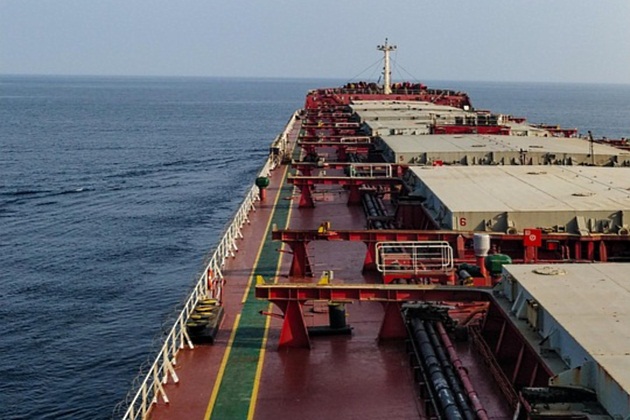
A key aspect of a seaman’s job is keeping the vessel in a seaworthy and tidy condition. This is not merely a matter of aesthetics; it is a critical maritime safety requirement. Constant exposure to the harsh marine environment – saltwater and high humidity – makes the vessel’s hull and deck structures highly vulnerable to corrosion. Consequently, one of the most routine yet vital tasks is priming and painting the hull and deck. This work creates a protective barrier that prevents the spread of rust and slows down the ship’s wear and tear.
Source: Pixabay.com
Beyond painting, deckhands are responsible for general housekeeping, including washing decks, cleaning portholes, and maintaining interior quarters. Regular cleaning is essential for preventing onboard accidents and maintaining order. The maintenance of ship equipment forms another core responsibility. Sailors regularly wash and grease machinery, including anchor windlasses, hooks, mooring winches, and blocks. Their work aims at the early detection and repair of minor faults, serving as effective preventative maintenance for more serious breakdowns that could jeopardize the voyage’s safety. Sailors may also perform minor repairs on deck equipment, which requires basic knowledge of mechanics and electrical systems to keep all systems operational.
Watchkeeping Duties
Watchkeeping is one of the most responsible and strictly regulated duties of a seaman. Its goal is to ensure continuous vessel control, safety, operational activity, and the maintenance of discipline and order. Watches are divided into underway watches (at sea) and port watches.
While underway, a seaman reports directly to the Officer of the Watch (OOW). At this stage, they perform two key functions requiring intense focus. The first is steering the vessel (helmsman duties), allowing for precise navigation control. The second is maintaining a continuous visual and auditory lookout of the surroundings, horizon, and water surface. When sailing in restricted visibility, such as fog, auditory monitoring becomes a critical factor in collision avoidance and overall safety.
During a port watch, the seaman stands guard at the gangway. This post is considered one of the most critical. According to the ship’s standing orders, the gangway watchkeeper must remain at their post at all times and control vessel access. Their primary task is to prevent unauthorized persons from boarding, thereby ensuring vessel security and protection against unauthorized access. Additionally, they monitor the condition of the gangway and ensure lifebuoys and boat hooks are ready, as part of standard safety precautions.
Port and Open Sea Operations: Mooring, Anchoring, and Cargo
Sailors play a central role in all maneuvers and cargo handling operations. These tasks are among the most hazardous and demanding on a vessel, requiring not only physical strength but also strict adherence to safety protocols and precise execution of commands.
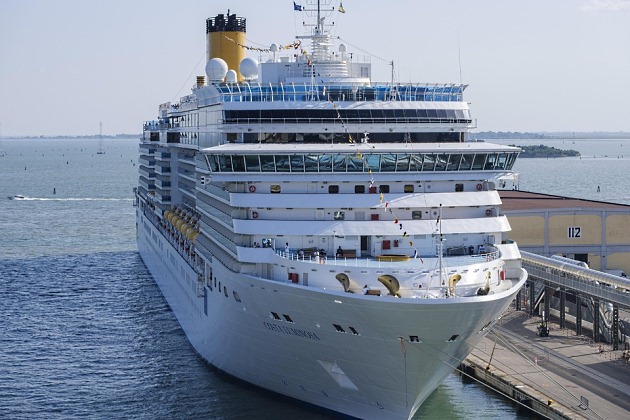
Mooring and anchoring operations are procedures where deckhands manage mooring lines and towlines to secure or release the vessel in port. This requires seamless coordination and the ability to operate winches and ropes under tension. Similarly, during anchoring operations, seamen are responsible for the correct functioning of anchoring equipment, ensuring the vessel is safely moored at sea. In both scenarios, any error can lead to severe consequences.
Source: Pixabay.com
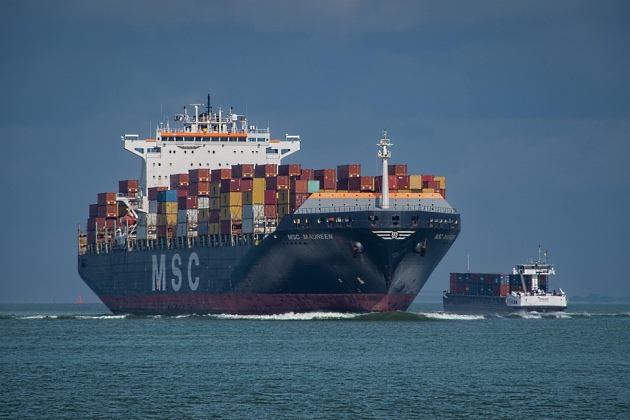
On cargo vessels – including container ships, bulk carriers, and tankers – a seaman’s duties include assisting with loading and discharging operations. On container ships, this is critical for ensuring proper stowage and cargo securing (lashing), as improper placement can jeopardize the vessel’s stability. Sailors are also involved in preparing cargo holds for receiving or discharging goods. Their work is vital for maintaining the ship’s cargo-carrying capacity and regime.
Safety Assurance and Emergency Preparedness
Safety is the highest priority at sea, and the seaman is a key link in this system. Working in a maritime environment involves constant risks, so every crew member must be ready to act in any emergency. Sailors are required to participate in regular firefighting and emergency drills to practice the skills needed for a swift and effective response to incidents such as fires or hull breaches.
A seaman must be prepared to conduct rescue operations, including providing basic first aid – though specialized functions, such as manning a rescue station, fall under the “Rescue Seaman” qualification. A vital skill is the ability to operate small craft, such as lifeboats and rescue boats, as well as piloting them for transporting cargo or personnel between the ship and the shore. Strict compliance with maritime regulations and safety standards is an integral part of their work, ensuring order and minimizing risks for the entire crew.
Specializations Across Different Vessel Types
While a seaman’s core duties remain universal, the day-to-day reality changes significantly depending on the vessel type. A deckhand’s role is not a fixed set of tasks but rather an adaptation of fundamental skills to fleet-specific needs. Core responsibilities – such as watchkeeping, deck maintenance, and cargo handling – are tailored to meet the unique requirements of each ship.
Source: Pixabay.com
For instance, on fishing vessels, a deckhand often takes on additional roles, such as fish processing or directly participating in harvesting operations and trawl handling. On passenger ships, including cruise liners, sailors balance traditional deck work with ensuring passenger comfort and safety, often maintaining public areas and life-saving appliances. On cargo vessels, such as container ships and tankers, the primary focus shifts to cargo operations and lashing, requiring a deep understanding of load stability and hazardous materials. Ultimately, choosing a vessel type means choosing a specific professional path within the maritime industry.
Qualification and Education Requirements
Entering the maritime profession requires more than just physical readiness; it demands a structured approach to learning and official certification. Prospective seafarers must navigate a rigorous path of formal schooling and hands-on training to meet global industry standards.
Educational Foundation and Mandatory Practical Training
A career as a seaman is not an “entry-level job” in the traditional sense. It is a strictly regulated field where formal education and practical experience are prerequisites for employment. To enter the profession, one typically needs to graduate from a maritime college or complete specialized seaman training courses. The duration of study can range from short-term programs of a few months to comprehensive courses lasting up to three years, depending on the institution.
An essential and mandatory part of the curriculum is onboard practical training (sea time), which must last at least two months. This period allows future deckhands to apply theoretical knowledge in a real-world environment, mastering key skills such as rigging and carpentry, equipment maintenance, and participation in mooring operations. In this industry, theoretical knowledge holds little value without documented sea service experience.
Certification: International STCW Standards and Their Significance
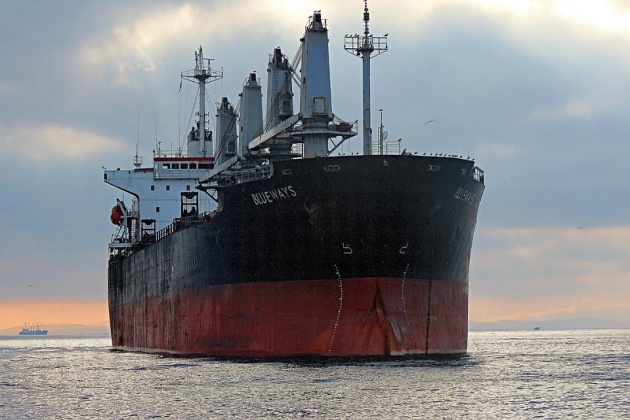
The STCW Convention (Standards of Training, Certification, and Watchkeeping) is the cornerstone of maritime safety. Holding the necessary certificates and documents is not a mere bureaucratic formality; it is a guarantee of compliance with global standards. To work onboard, especially on international voyages, a seaman must possess a comprehensive seafarer’s document package. This includes certificates for Basic Safety Training (BST) under SOLAS and Security Awareness Training under the ISPS Code.
Source: Pixabay.com
The International Convention on Standards of Training, Certification and Watchkeeping for Seafarers (STCW) 1978, as amended, is fundamental for all professional mariners operating across international borders. These standards, adopted by the International Maritime Organization (IMO), ensure a uniform level of competence and safety worldwide by setting requirements for training, certification, and watchkeeping. This proves that the maritime industry is a global system where safety is achieved through strict standardization. Possession of these documents is a mandatory condition for international employment.
Personal Qualities, Medical Fitness, and Physical Readiness
Working at sea places heavy demands on a person’s physical and psychological well-being. A seaman must possess not only professional skills but also specific personal traits to effectively handle the challenges of life at sea.
First and foremost, a sailor must be in excellent health. This is verified by a mandatory maritime medical examination (ENG1 or equivalent), which assesses fitness for sea service. Physical endurance is also a critical requirement, as the work can be labor-intensive and demanding. Teamwork and communication skills are equally vital, as sailors operate as part of a crew where success depends on seamless cooperation. Furthermore, the job involves long periods away from home and potential isolation, requiring high levels of psychological resilience and mental fortitude.
Career Advancement and Maritime Hierarchy
The position of a seaman is not a dead-end job but rather the first step in a well-defined maritime hierarchy that offers a clear path for development. Within this structure, sailors can progress through ranks based on their experience, additional certifications, and leadership abilities.
Rank Structure: From Ordinary Seaman to Bosun
In the maritime hierarchy, deck ratings are generally divided into two main categories:
- Ordinary Seaman (OS): The entry-level rating;
- Able Seaman (AB) or Able Bodied Seaman: The senior rating with more experience.
There are different approaches to distinguishing their duties. Some sources suggest that the difference between an Able Seaman (AB) and an Ordinary Seaman (OS) lies primarily in the wage scale, with both performing similar tasks. However, others point to clear functional differences. For example, on fishing vessels, an OS might focus on fish processing, while an AB handles harvesting and hold operations. On merchant vessels, an AB often leads work parties, manages lifeboat operations, and performs more skilled deck work, while the OS focuses on cleaning and painting. This indicates that while job descriptions vary by shipowner, the AB is universally recognized as the more experienced and responsible specialist.
The typical career ladder for the deck department looks like this:
- Ordinary Seaman: The starting point, focusing on basic duties and learning the ropes.
- Able Seaman: Requires documented sea time and advanced certificates; an AB can lead groups of sailors.
- Bosun (Boatswain): The highest rank for ratings. The Bosun manages the entire deck crew and is responsible for all deck equipment and maintenance schedules.
Professional Development Paths and Specializations
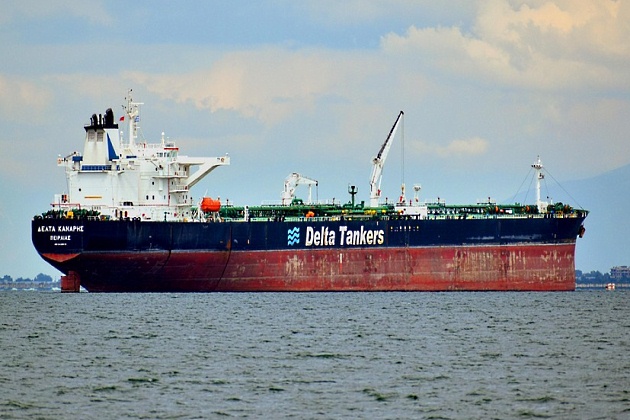
A seaman’s career can evolve not only vertically but also horizontally through new specializations, granting access to higher-paying roles. While the Bosun position is the “ceiling” for the deck ratings, it doesn’t mean career opportunities end there. A sailor can retrain as a Motorman or gain additional technical skills, such as welding or turning, to transition into the Engine Room department.
Source: Pixabay.com
This transition proves that maritime career paths are not restricted to a single ladder. The ability to acquire new skills and change departments makes the seaman’s role a perfect launchpad for a wide range of maritime careers. Specialists with “dual-purpose” qualifications or technical trades are often in higher demand, and many shipping companies offer premium pay rates for technical ratings compared to standard deckhands.
Working Conditions and Daily Life Onboard
Life at sea is governed by rigorous international and national regulations that balance demanding workloads with mandatory rest periods, ensuring the profession remains protected by law. Understanding these operational patterns is essential for anyone looking to transition from land-based work to a maritime career.
Work Schedule: Watchkeeping and Rest Hours
A vessel’s working hours are calculated using a cumulative accounting system. The most common arrangement is the “4 hours on, 8 hours off” watch system, which allows the ship to maintain 24/7 operational readiness. This schedule enables the crew to rotate between duty and rest, ensuring continuous operations. Depending on the manning level, other variations like “6 hours on, 6 hours off” may occur, though this is generally considered less favorable for long-term fatigue management.
According to international standards (MLC), the minimum rest period must be at least 10 hours in any 24-hour period and at least 77 hours in any seven-day period. Meanwhile, a working day can reach up to 14 hours, with a maximum of 72 hours per week. This proves that despite the challenging environment, seafarers’ labor is governed by strict occupational health and safety (OHS) norms designed to prevent fatigue and maintain vessel safety.
Living Conditions: Catering, Accommodation, and Connectivity
Living onboard a ship differs significantly from shore-based life. Accommodation for deckhands depends on the vessel’s type and size; typically, they live in cabins that may be single or shared. Modern ships are equipped with all necessary amenities for a comfortable stay, including bunks, lockers, and en-suite sanitary facilities.
Catering is organized in the crew mess, where the ship’s cook is responsible for providing the crew with high-quality, nutritious meals. Some companies operate on a fixed daily victualling rate (food allowance) per seafarer. Furthermore, modern vessels are increasingly equipped with communication tools like satellite internet and Wi-Fi, allowing sailors to maintain contact with family and friends during long voyages – a vital factor for maintaining mental health and psychological well-being at sea.
Occupational Health and Safety (OHS) Regulations
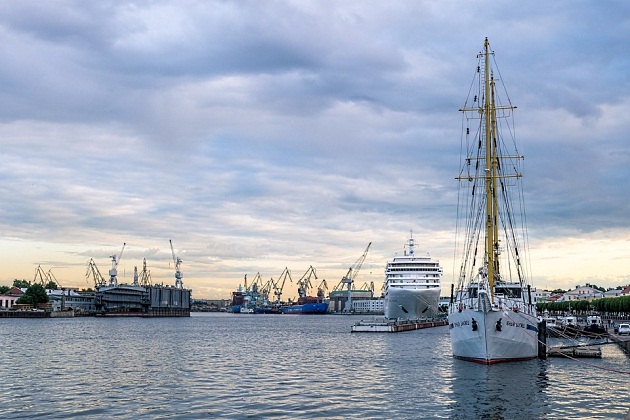
Safety on a vessel is a mandatory duty regulated by numerous legislative acts. Seafarers’ activities are governed by specific regulations, such as Maritime Labor Health and Safety rules. These rules cover every aspect of the job, from operating lifting gear to moving safely around the deck.
Source: Pixabay.com
Before starting any task, a seaman must receive a safety toolbox talk or briefing from their supervisor. It is strictly forbidden to stand in hazardous areas, such as within a mooring rope’s snap-back zone, or to operate faulty machinery. Every crew member is obligated to correctly use Personal Protective Equipment (PPE). These strict protocols and constant briefings are designed to mitigate the inherent risks of the maritime profession, ensuring safety at every stage of the operation.
Salary Overview: Key Trends and Influencing Factors
A seaman’s salary is a topic that requires detailed analysis, as it is influenced by numerous factors. Recent industry data for 2025-2026 shows a steady upward trend due to global inflation and a growing shortage of qualified personnel. While the ILO (International Labour Organization) minimum monthly basic wage for an Able Seaman is set at approximately $673, total monthly compensation including overtime and leave pay is significantly higher.
Working on international vessels, particularly those under foreign flags, often yields significantly higher pay, typically denominated in USD or EUR. On average, a professional Able Seaman in the international fleet earns between $1,800 and $2,700 per month, while an Ordinary Seaman can expect between $1,200 and $1,800.
Several key factors directly impact a seaman’s earnings:
- Vessel Type: Salaries on tankers, LNG carriers, and large container ships are generally higher than on bulk carriers or timber ships.
- Rank/Rating: An Able Seaman (AB) earns a higher wage than an Ordinary Seaman (OS).
- Specialization: Possessing additional skills, such as marine welding or specialized crane operations, often results in bonus pay.
- Flag of Registry: Ships flying “Flags of Convenience” or international registers usually offer higher market rates compared to those operating on domestic inland routes.
See the full salary breakdown by job role and vessel type here.
Career Outlook and Professional Significance
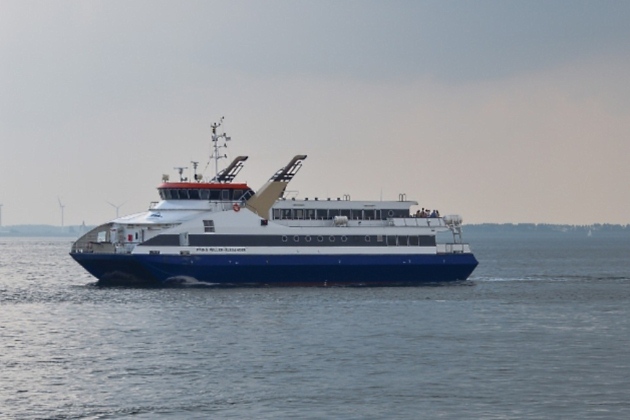
A career as a seaman is demanding but remains an exceptionally vital and sought-after profession. It requires more than just physical strength; it demands technical expertise, teamwork, and iron discipline. Despite the harsh conditions, the profession offers a clear career path, the opportunity for global travel, and a competitive salary, especially within the international merchant fleet.
Source: Pixabay.com
Given the pivotal role of maritime transport in the global economy, the seaman’s role remains highly relevant with a stable future. It serves as the launchpad for many successful maritime careers and contributes immeasurably to global trade and maritime safety.
Start Your Maritime Journey Today
Ready to take the first step toward a successful career at sea? Whether you are an experienced Able Seaman or just starting as an Ordinary Seaman, the right opportunity is waiting for you.
- Post your seafarer resume to become visible to leading shipowners and recruitment agencies worldwide.
- Explore the latest maritime vacancies from top-tier shipping companies and find the contract that matches your skills and expectations.